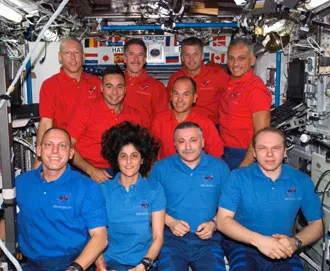
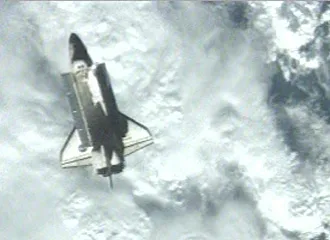
The shuttle finally lifted off from Florida's Kennedy Space Center. It will transport two segments of the metallic truss of the International Space Station
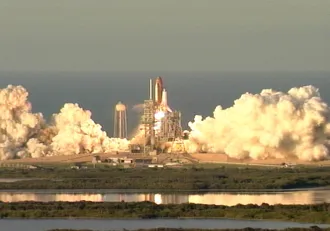
Atlantis will transport two segments of the metallic truss of the International Space Station. The pieces include a gigantic pair of solar panels and a rotating joint so the panels can follow the sun seeking energy. The Atlantis crew also needs to fold a previous panel, which next year will be moved to another place on the station.
The agency needs to send at least 13 more missions to transport all the important components before the shuttle fleet is retired, in 2010. It also plans two flights to store separate pieces of the station and a final mission to the Hubble Space Telescope.
Regarding the Hubble servicing mission, Atlantis will launch on September 10, 2008, and for 11 days it will approach its target, capture it and update it, improving it so it can operate until at least the year 2013. The date has been chosen so the flight does not harm the current cadence of missions to the international space station, which must be finished before the retirement of the shuttles (2010). Furthermore, according to current policy, after the launch of Atlantis, NASA will have another vehicle ready (Endeavour) in case it is necessary to carry out a rescue mission, since Atlantis will orbit in a path incompatible with the international station.