It was unveiled yesterday in a tribute to the first man to go into space. The museum renovation and the change of authorities.
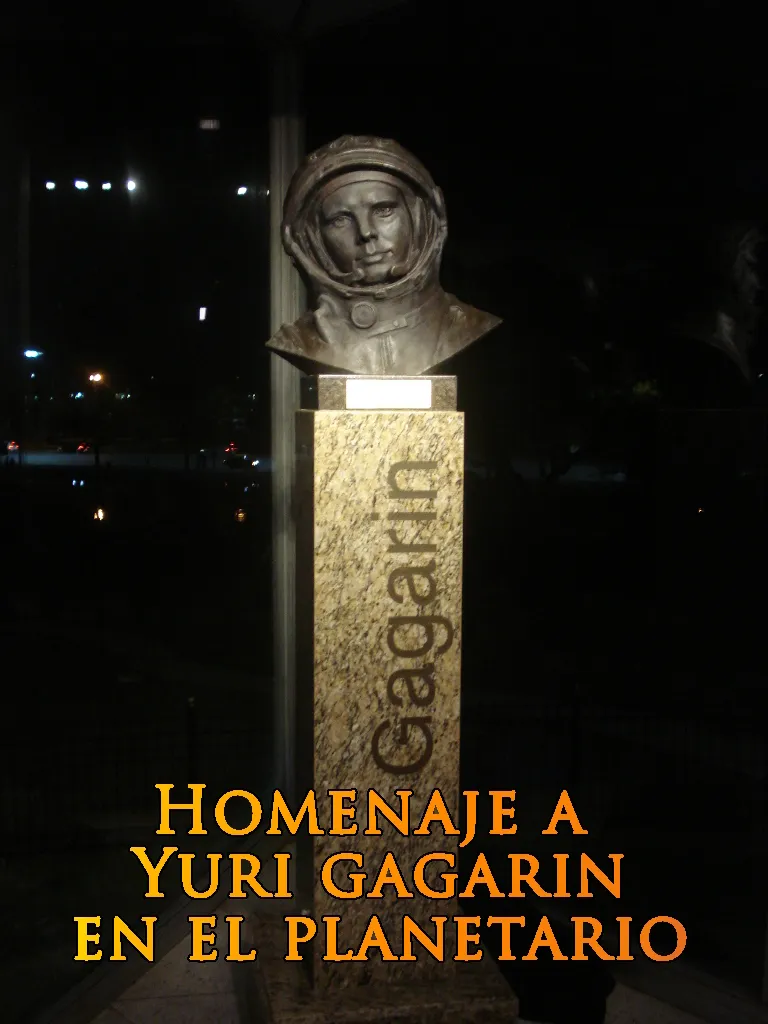
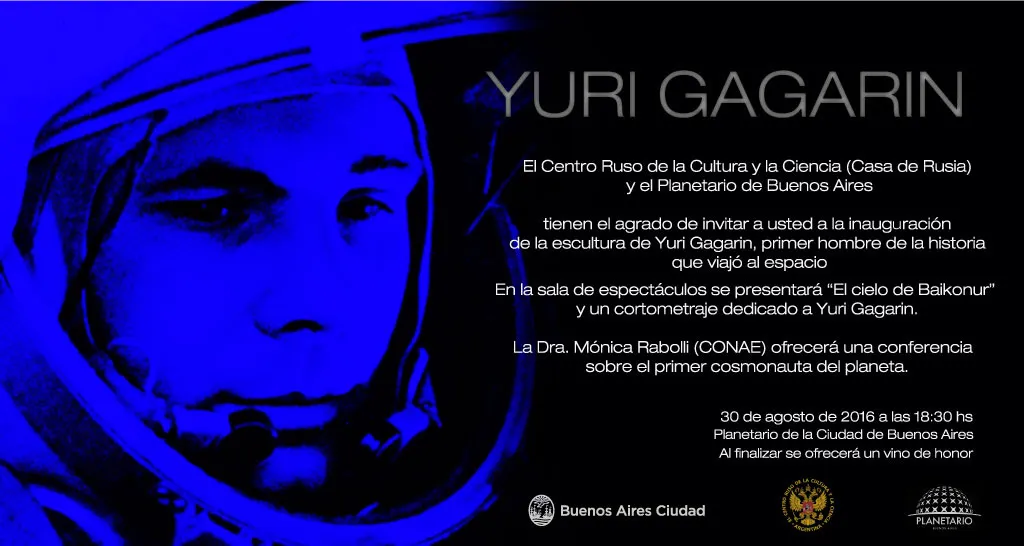
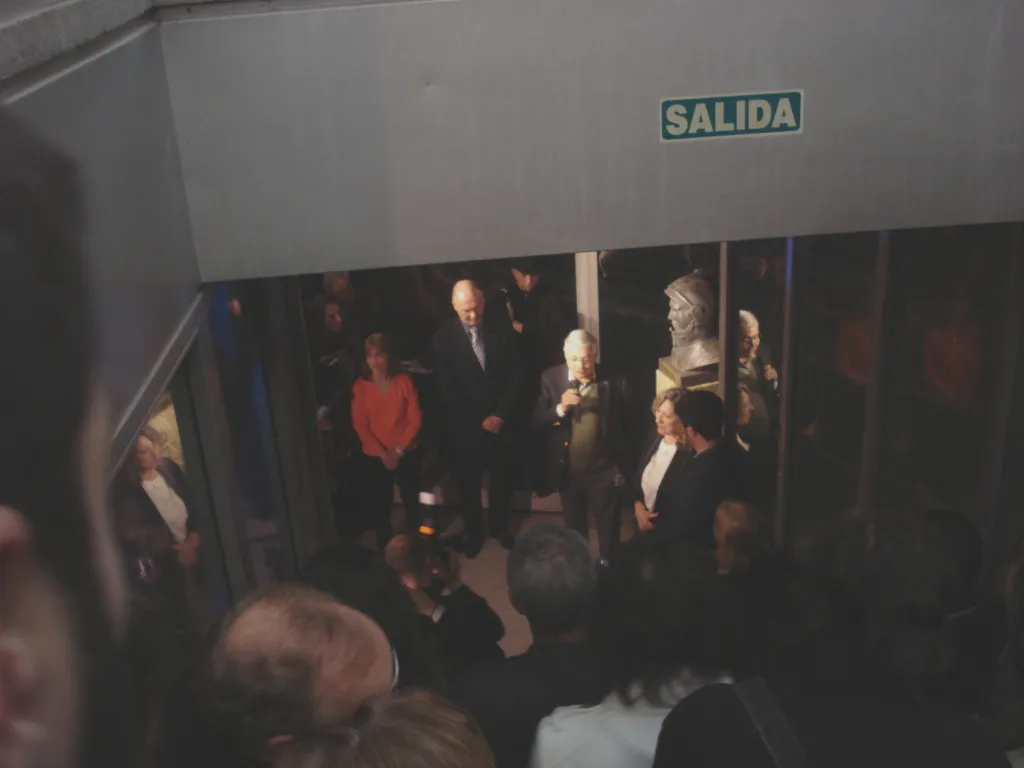
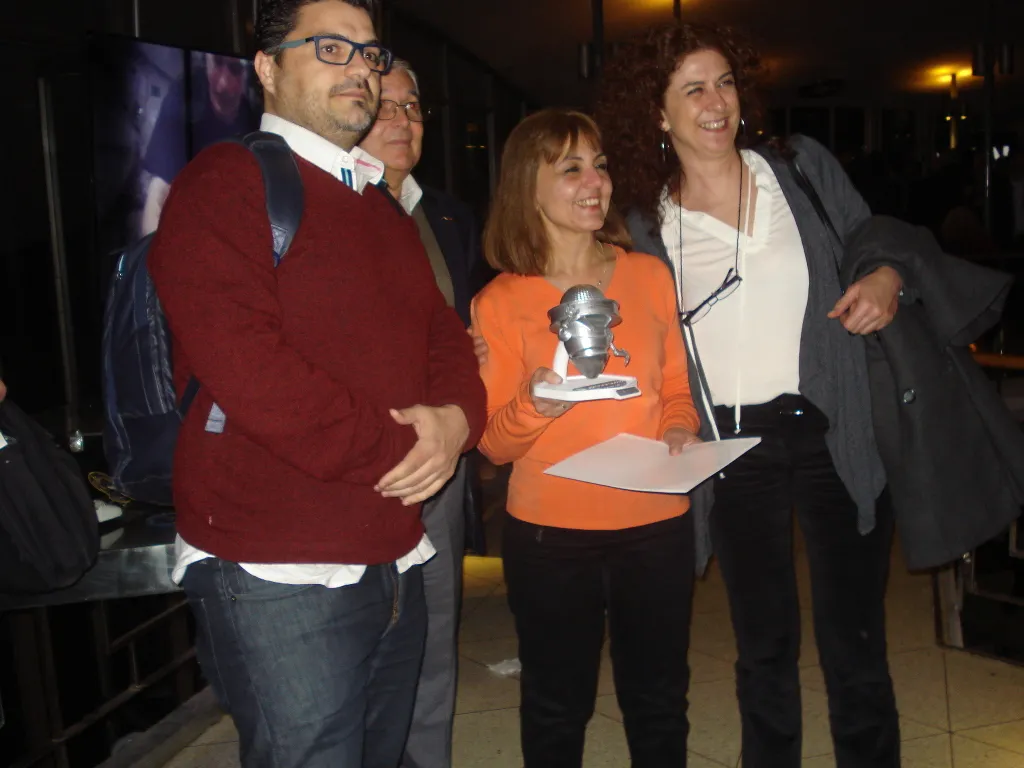
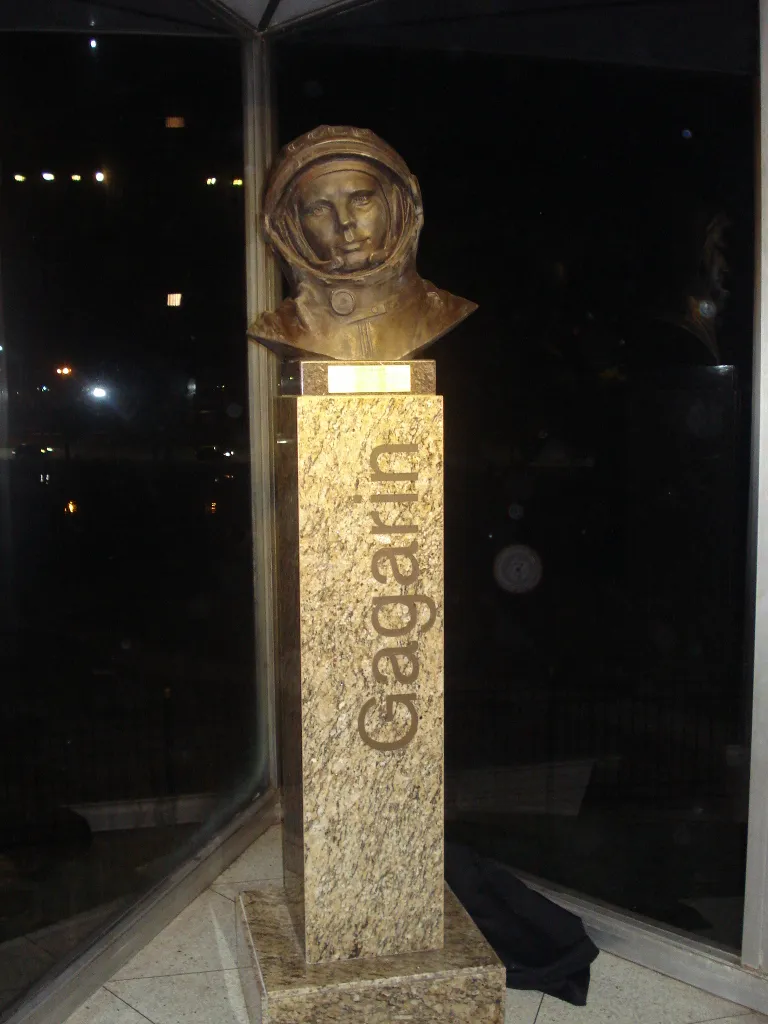
As the sun was setting in the west, a large crowd filled the Planetarium's showroom to attend a small tribute to Yuri Gagarin. The initiative came from the Casa de Rusia which, in agreement with the Planetarium authorities, brought a bust of the Russian hero that since yesterday has been displayed on a pedestal inside the building.
For the occasion, Lic. Lucía Sendón de Valery used the capabilities of the room's central instrument to show how the sky would have looked in Baikonur on that April 12, 1961, emphasizing the constellations we cannot observe from the southern hemisphere (like the Ursas, with Polaris).
Immediately afterwards, videos from the era were shown, in which words from the cosmonaut before his historic journey aboard the Vostok were heard, as well as the great welcome his people gave him.
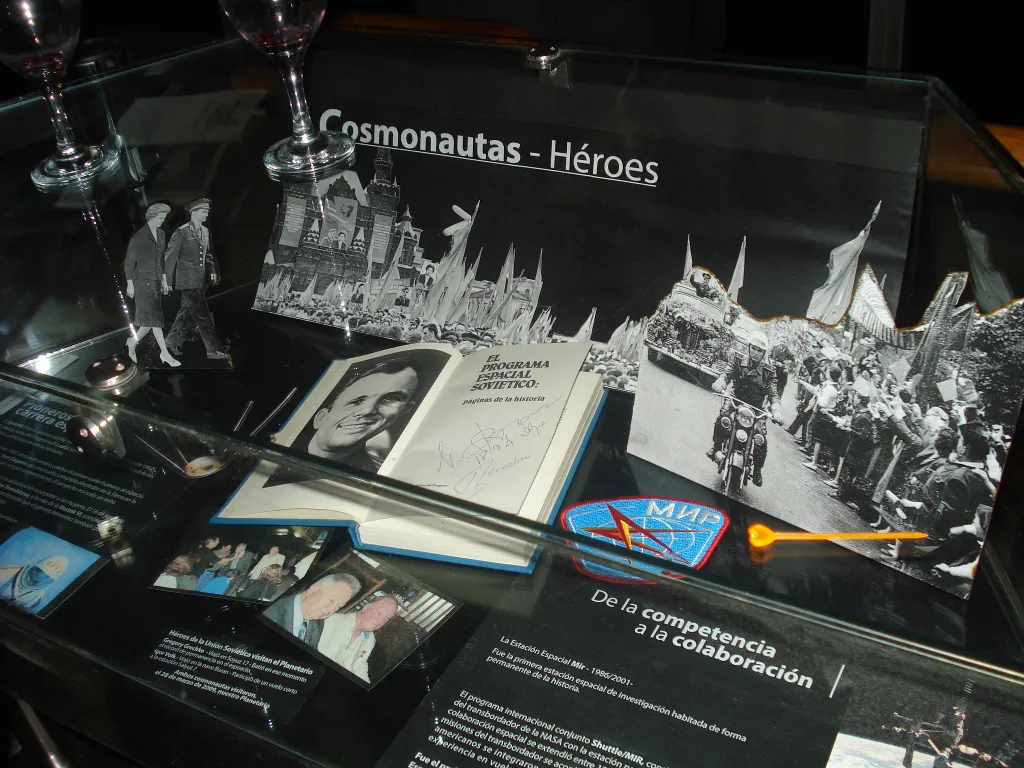
Then Dr. Mónica Rabolli (CONAE) gave a brief profile of the first man to orbit the planet, 55 years after that feat that lasted 108 minutes. The account was simple, but served as a portrait not only of a person, but of an era, through photographs that included Valentina Vladimirovna Tereshkova (the first woman to travel into space, in 1963, aboard Vostok 6).
Immediately, the Head of the Russian Representation, Valery Kucherov, took the floor, who valued the different agreements between both countries and the collaboration with the planetarium of the city of Buenos Aires in particular.
The event culminated with the unveiling of the handsome bust. A just tribute to Gagarin and to Russia, whose achievements were belittled for decades in the West, eclipsed by the successful Apollo missions of the United States. It's never too much to remember that in October 1957 it was also Russia who managed to put the first artificial satellite into space, Sputnik 1, a date that currently serves to celebrate Space Week.
Museum and patronage
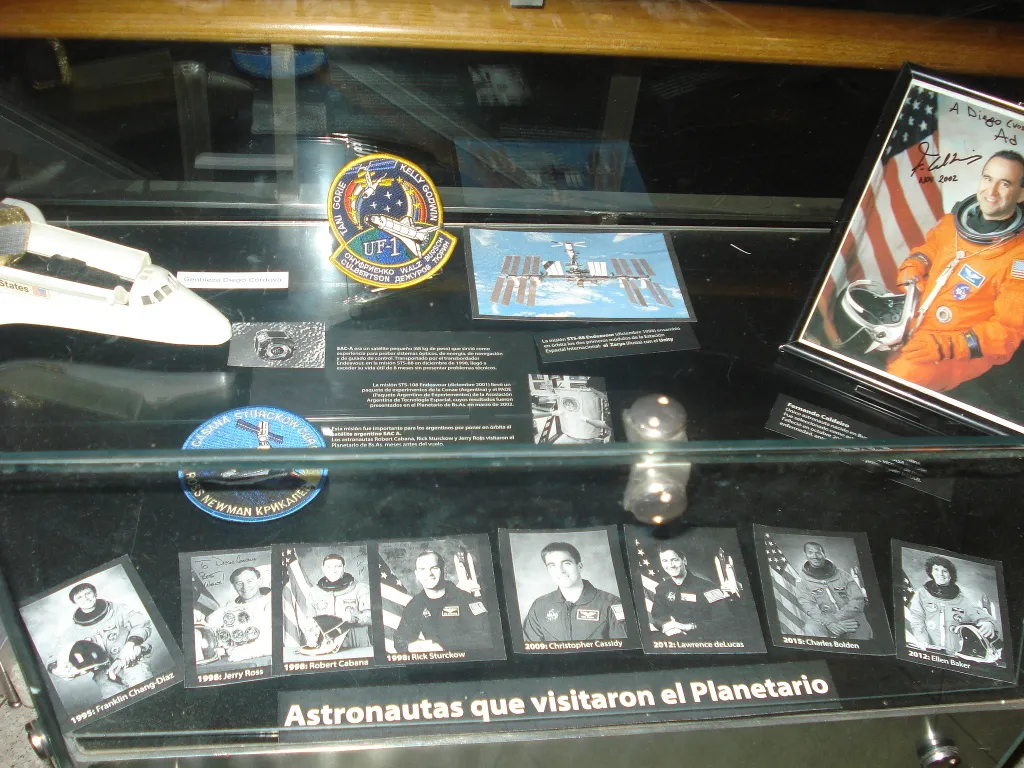
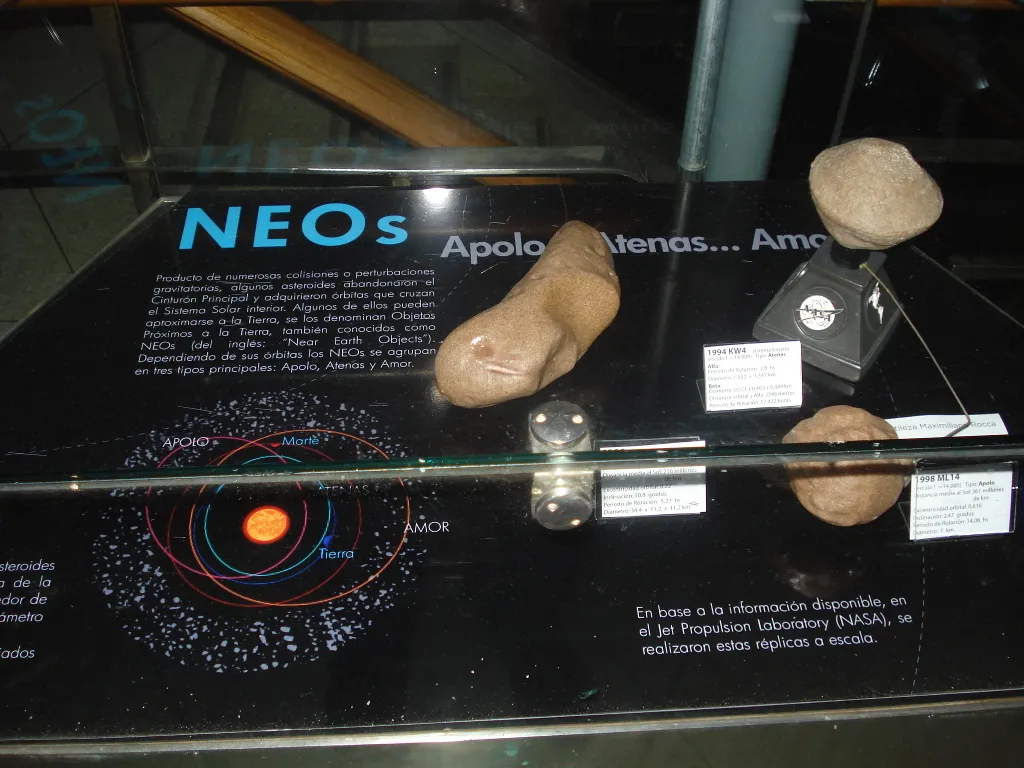
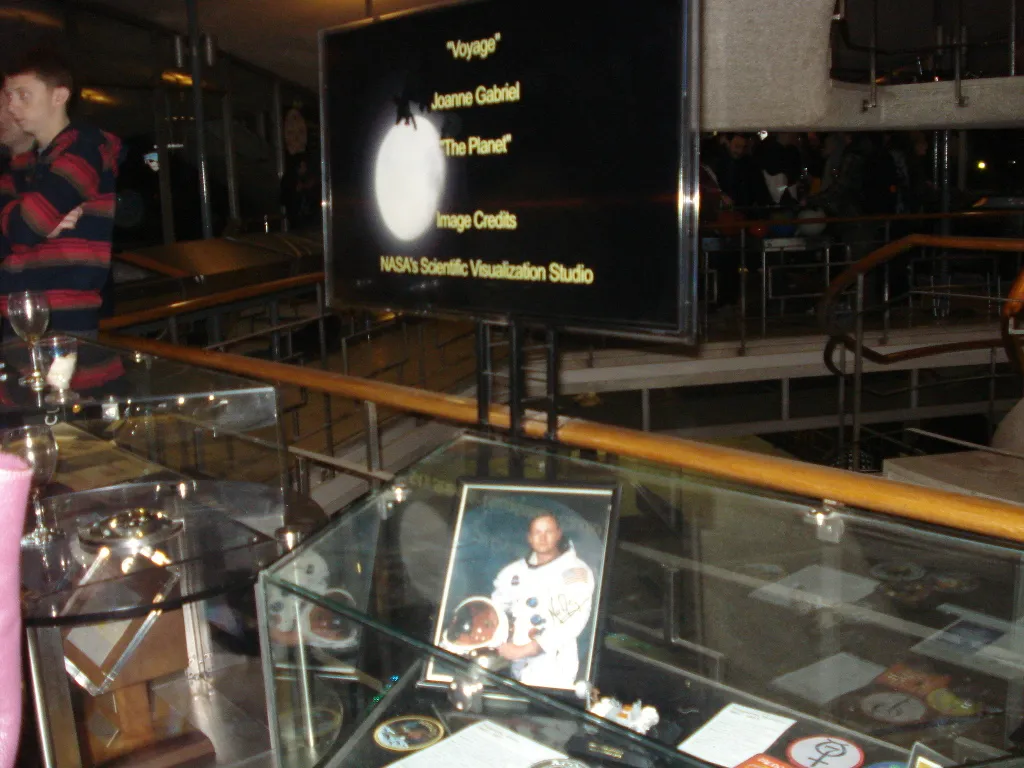
Graciela Cacace referred to the renewed Space Museum within the Planetarium in collaboration with companies like Banco Santander Río and the Siemens Foundation and with the advice of academics from various national universities, in addition to the contributions of the Planetarium staff members.
It was also mentioned that a replica of Curiosity is being created with Siemens and that for the museum a "mascot" is being designed which would be a robot with shapes similar to the iconic Palermo building, which would be called "Galileo" (although I would differentiate it from the astronomer, for example, Galileo-bot).
The occasion featured the visit of Professor of Geography and Mathematics Antonio Cornejo (who presides over the National Academy of Geography) who was director of the Planetarium between 1967 and 2000.
Another eminence of Argentine astronomy, present for the meeting, was Dr. Juan Carlos Forte who dedicated a few words to the new authorities of the Planetarium, hoping that they continue along the path taken by the outgoing director.
Change of authorities
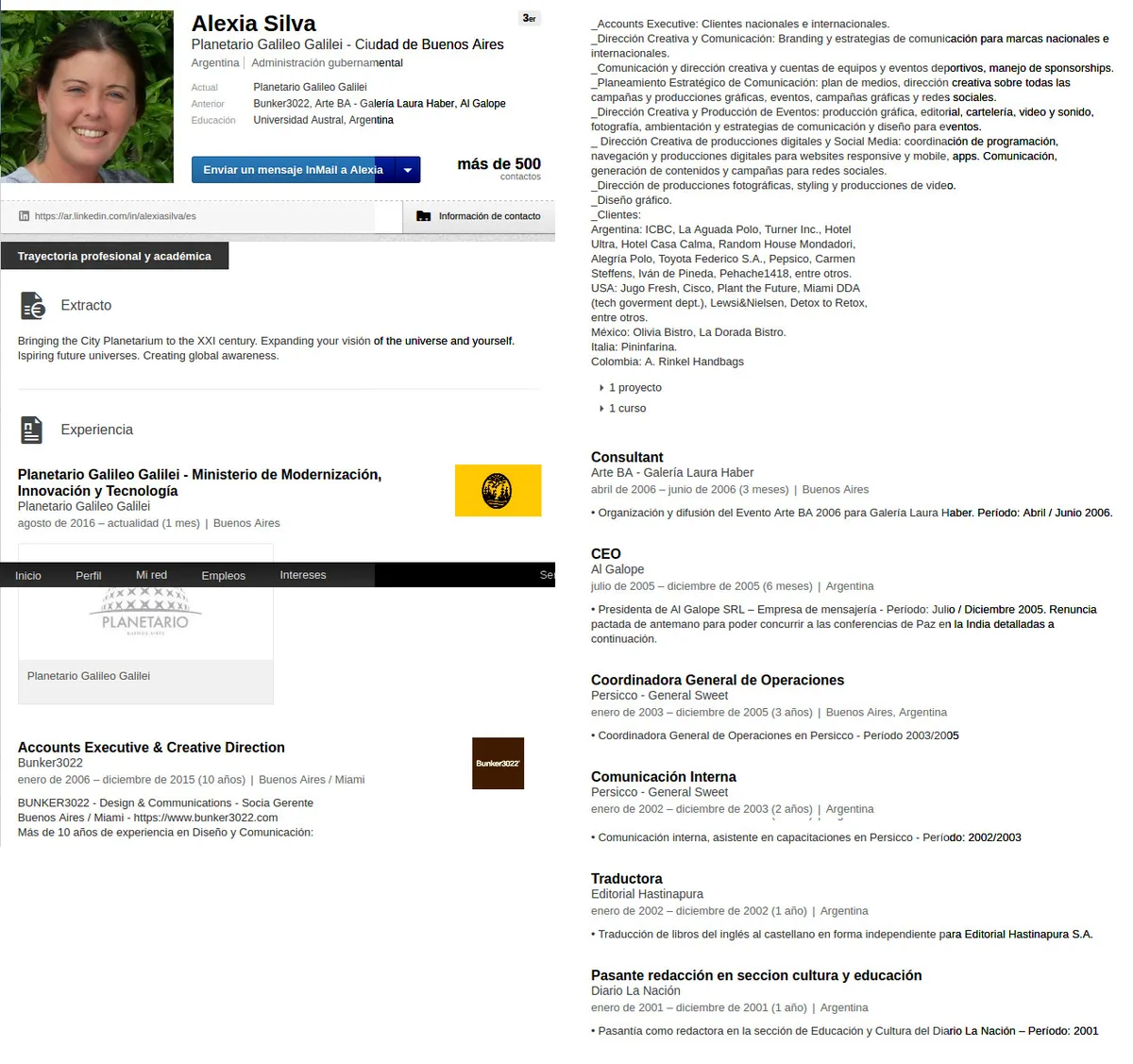
From the rumors among those present I was able to find out that director Lucía Sendón de Valery will leave her position to Alexia Silva, who seems to be arriving propelled from the area of Andy Freire (Ministry of Modernization of CABA).
Silva's CV on LinkedIn [1] does not seem very akin to scientific outreach (much less to astronomy), but it is hoped that she will maintain a line in tune with what has been done so far.
It is worth saying that during Sendón de Valery's management the Planetarium held hundreds of lectures by Argentine professionals in astronomy and related sciences, as well as by visitors from abroad; free quality courses; the modernization of the planetarium instrument to a digital one, as well as the remodeling of the showroom; production of its own material and the launch of an impeccable magazine, Si Muove, distributed free of charge.
The aforementioned patronage opens the doors to private initiative, until now very limited and without greater interference in the content. Let's hope the new management follows similar paths so that the Planetarium does NOT become a public limited company of entertainment.
It is to be hoped that the production of its own material will continue to be promoted, through the talent of the current staff, which does not exclude the use also of foreign audiovisuals, properly adapted to the local public.
The Galileo Galilei, even though it is a symbol of Buenos Aires and so marked also by the government jurisdiction, is an Argentine cultural heritage that must have its doors open to educational institutions from all over the country. The mobile planetarium, as well as the planetarium for the blind (with much work by Walter Germaná) are initiatives that should not be lost.
The courses by Mariano Rivas, Diego Hernández and Rafael Girola and the contribution of Juan Carlos Forte are indispensable for the planetarium not to be just an entertaining show, but also a vehicle of knowledge for the general public and teachers.
The work, often invisible, of the technical staff requires maintaining the very good human resources staff with which the institution counts.
The innovation, creativity and proactive attitude of the current staff, properly coordinated by the authorities, will allow improving the museum and expanding the outreach activities that should continue to be the north of the institution's compass.
Observations with telescopes, sometimes with video on a giant screen, are also a consolidated tradition that, it is to be hoped, the new management will maintain.
From here I wish that Lic. Sendón de Valery continues contributing to scientific outreach (at Tecnópolis?) and that Alexia Silva surprises us for the better, regardless of where she comes from.
They say that Yuri Gagarin, when asked by an elderly woman: "Did you come from outer space?" replied: "Certainly, yes. But don't be alarmed, I am Soviet".
Sources and related links
- [1] Alexia Silva on LinkedIn
https://ar.linkedin.com/in/alexiasilva - Russian Center for Science and Technology
http://arg.rs.gov.ru/es/jefe-de-la-respresentacion - Planetario Galileo Galilei
http://www.planetario.gob.ar/