The second extrasolar visitor was observed with the space eye.
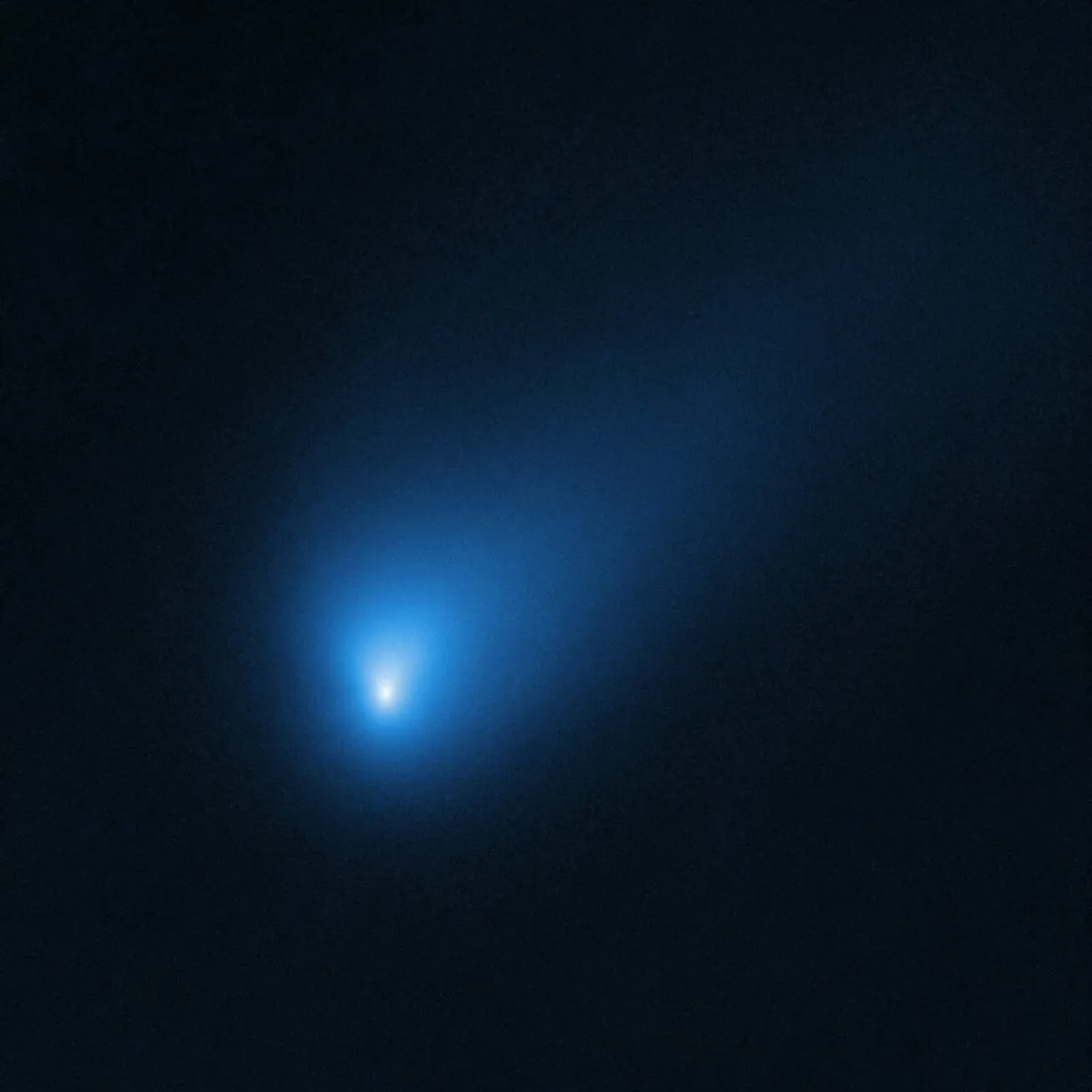
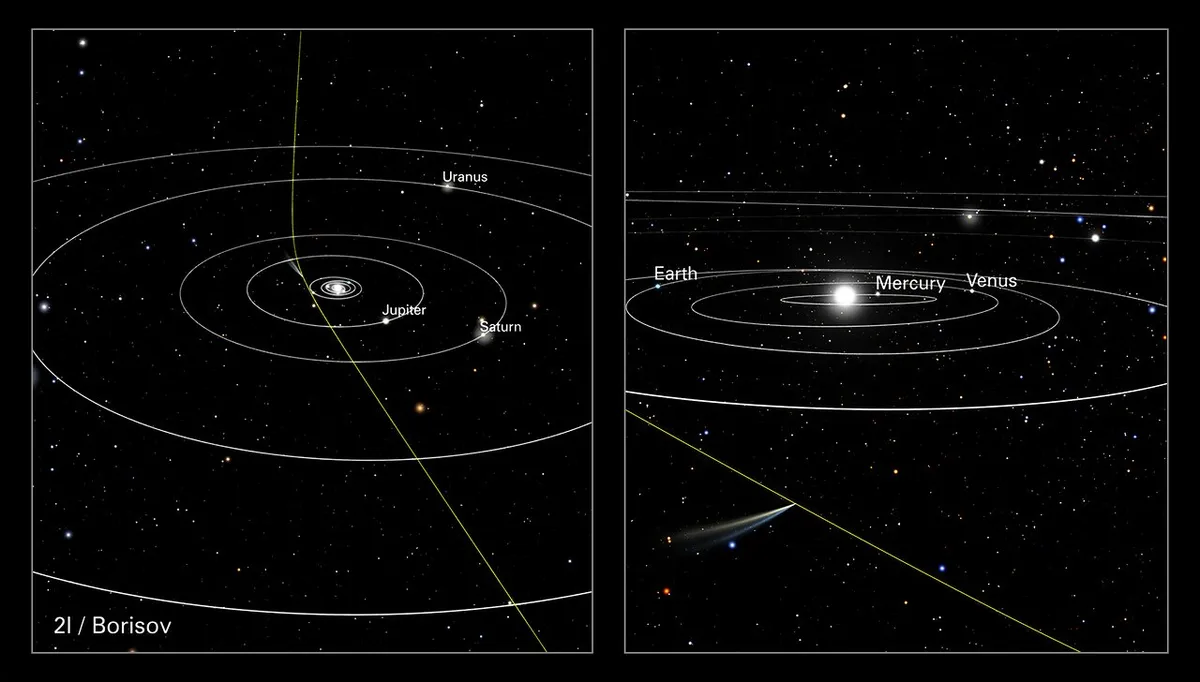
It arrived out of nowhere and was discovered by an amateur astronomer. From its orbit, astronomers deduce it comes from outside the solar system. It is the second object with such a characteristic, following the discovery of 'Oumuamua in 2017. The exocomet 21/Borisov has now been photographed with the Hubble Space Telescope.
"While 'Oumuamua looked like a simple rock, Borisov is truly active, more like a normal comet. It's a mystery why these two objects are so different", noted David Jewitt of UCLA, leader of the team that observed the exo-comet with Hubble.
The object was photographed when it was 420 million kilometers from Earth. The comet is traveling toward the Sun and will make its closest approach to the star on December 7, when it will be at twice the Earth-Sun distance. It follows a hyperbolic trajectory at a speed of 150 thousand kilometers per hour. By mid-2020, the comet will be back in interstellar space.
The comet owes its name to the amateur from Crimea who discovered it, Gennady Borisov, on August 30 of this year. When its orbit was computed, it was found to be hyperbolic and to come from outside the Solar System.
More observations of the object with Hubble are planned to learn details about this strange visitor.
Sources and related links
- Spacetelescope: Hubble Observes New Interstellar Visitor
https://www.spacetelescope.org/news/heic1918/?lang - HUBBLE OBSERVES FIRST CONFIRMED INTERSTELLAR COMET
https://hubblesite.org/contents/news-releases/2019/news-2019-53
About the images
Photo credit: NASA, ESA, D. Jewitt (UCLA)
Illustration credit: NASA, ESA, J. Olmsted, F. Summers (STScI).