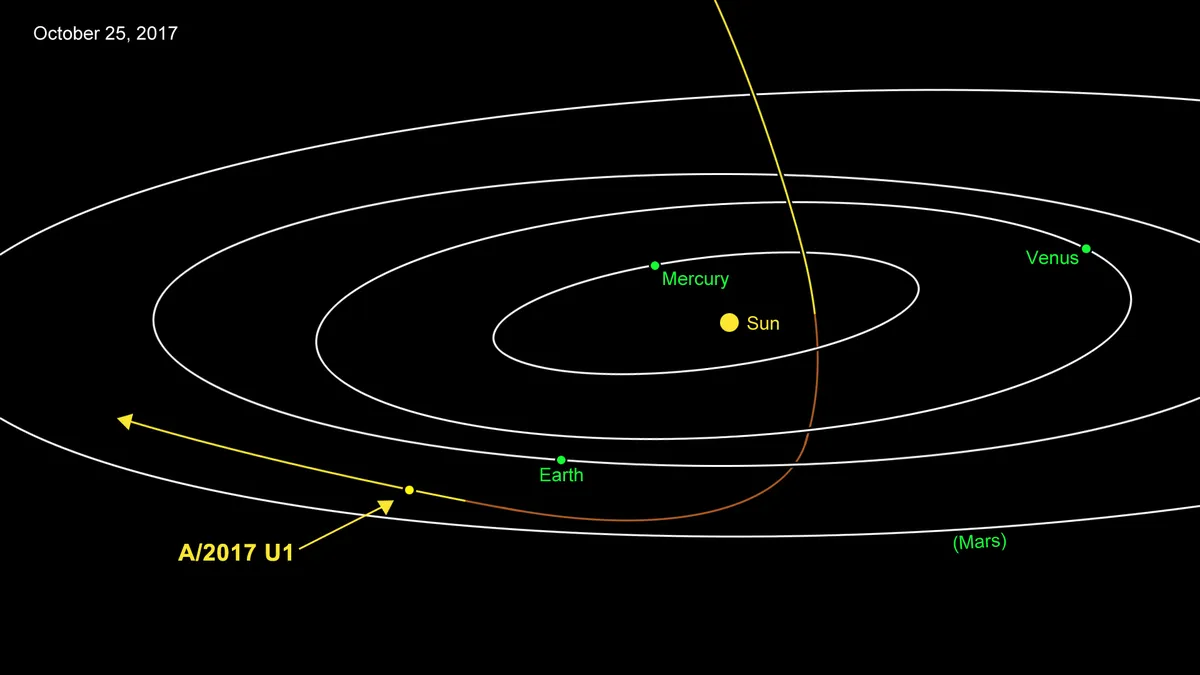
Comets, Sun, remnants of materials in space, Earth... You probably already know, meteor showers originate from the debris that breaks off when a comet approaches the Sun. When our planet's orbit passes near these elements, they graze the Earth's atmosphere and vaporize, generating the always attractive play of flashes that we commonly call a "shooting star shower".
from Bulletin 177 (News from the La Plata Observatory)
It's worth clarifying that from the Southern Hemisphere the Perseids are hardly observable, and this year in particular, the nearly full moon will not be good company for those who could observe some meteors from the
Northern Hemisphere.
The peak is expected between 23:00 and 01:30 UT (three hours less for
Argentina) in the early morning of August 12 to 13.
The Perseids originate from comet P/109 Swift-Tuttle (its orbital period is about 130 years, so it is currently heading back toward the outer solar system) and receive that name because they appear to come from an area of the sky located in the constellation Perseus. This area of the sky from which the meteors appear to come is called the radiant.
We remind you that no instruments are needed to observe meteor showers, and it is necessary to be in open places with little light pollution.
More information and graphics at:
http://astrosurf.com/somyce/c_visual/lluvias/perseidas/2006/acuaridasperseidas2006.html