The installation of the first high-definition camera on the International Space Station (ISS) was announced; it will permanently monitor Earth and be accessible via the web.
The announcement was made at the Space Conference held in Britain on July 4. It is a venture between Canada, Russia and the United Kingdom.
There will be two cameras, one medium-definition and one high-definition. And they will provide a unique opportunity for users to visualize man-made objects and perform video searches in specific locations. It will be possible, according to the announcement by the British island's Science and Technology Facilities Council (STFC), to access the cameras through a web interface.
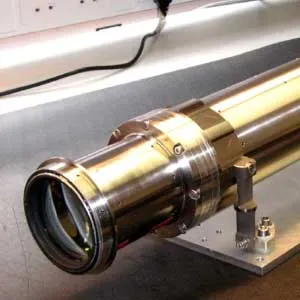
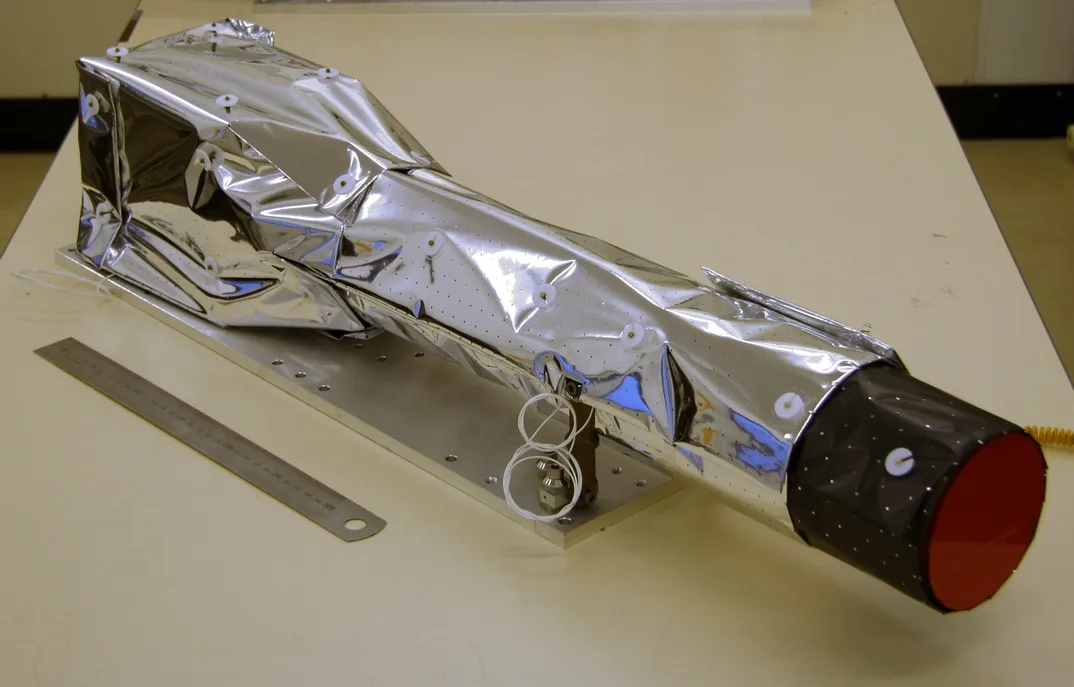
The Canadian company UrtheCast (Urthe is pronounced like Earth, in English) will provide video data of Earth, collected by two medium- and high-definition cameras on the Russian module of the ISS. The two cameras will be designed, built and tested by the British Science and Technology Facilities Council and the Rutherford Appleton Laboratory. Images and video will be sent to ground stations and the data will be displayed in real time on the web platform.
Platform 2.0
As indicated on the company's site, the web platform will feel like a Google Earth with the functionalities of a YouTube and will enable sharing the data through social networks. UrtheCast, on the other hand, already has an account on Twitter, a website and a blog.
This will allow:
-To have a powerful, unique perspective on international news, seen from orbit, such as the Fukushima crisis or the refugees in Sudan.
-To generate interest and resources for students with a new educational perspective in a way that was never possible before.
-To unlock human creativity and ingenious content generated at events, innovative marriage proposals, etc.
The platform, its creators indicate, will be open source, which will allow developers to create and implement applications based on the collected video data.
Developers who want to subscribe to information about UrtheCast can already do so from the website.
UrtheCast will be a new word worldwide. The development will bring new discussions about old topics, such as the invasion of privacy, but it will also provide new approaches and perspectives by offering new usage options through an agile and easy-to-access interface.
Canadian astronaut David Williams said: "I think it's a very exciting project. I had the opportunity to fly on the International Space Station, helping to build it. So I've seen Earth firsthand from space and I've been a big advocate of UrtheCast and the concept of making space video imagery available to people all over the world," concluded the astronaut, quoted by the Calgary Herald.
Not many technical details of the camera are provided yet, but it is indicated that one camera will take photographs 40 kilometers wide with a resolution of 5.5 meters per pixel, while the other will emit videos at 3.25 frames per second to us and with a much higher resolution: one meter per pixel, according to Fayerwayer.
Today and tomorrow
Currently it is possible to have real-time video from the ISS, through NASA. It is also possible to know in advance when the ISS will pass overhead and other data from NASA SkyWatch.
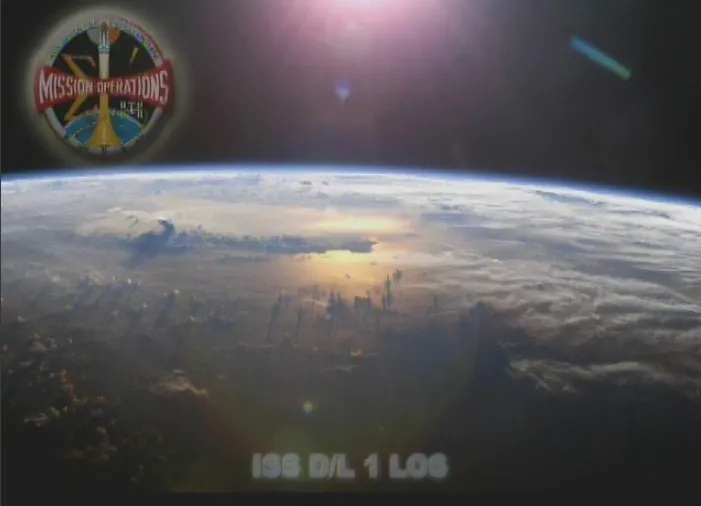
The live video includes internal views from cameras in the Destiny Laboratory and the Harmony module when the resident astronauts are on tasks. Outside of those periods, an external view towards Earth can be had. The video is accompanied by audio.
UrtheCast could be available by mid-next year. Meanwhile, it is possible to participate in a contest to name the camera.
The ISS is an inhabited low-orbit satellite, the largest built to date. The station travels at 26,000 km per hour and orbits Earth 16 times a day, at a height of 350 km.
Sources and related links
- STFC: World's first 'live' video feed of Earth from space
- UrtheCast
About the images
- Fig. 1 and 2 from STFC/UrtheCast.com