KOSMOSLOGOS ARCHIVEAutomatic translation of the original Spanish post by Gerardo Blanco (KosmosLogos, CC BY-SA 3.0). Read the original in Spanish. /2006/11/hipertelescopiosver-ms-all-de-lo.html
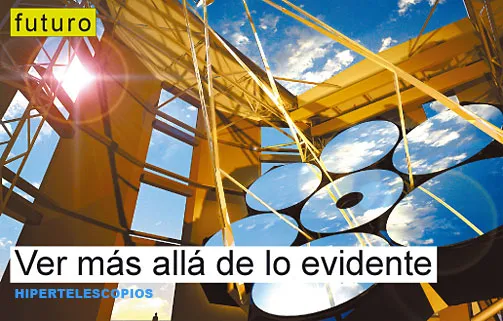
Via Página/12
Since Galileo pointed his telescope at the sky in January 1610 and glimpsed the craters of the moon, the satellites of Jupiter, the shadow of Neptune and the very skeleton of the Milky Way, these powerful machines that extend human vision beyond their noses have done nothing but grow: in just 400 years, they have evolved indefinitely, becoming beastly engineering pieces the size of buildings capable of easily and directly searching for planets around other stars, studying their atmospheres (and eventual signs of life), observing with greater luxury of detail the innards of nebulae, better detecting the effects of black holes and thus lessening the visual silence characteristic of the universe.
KOSMOSLOGOS ARCHIVEOriginally published on KosmosLogos by Gerardo Blanco · License CC BY-SA 3.0 · Adapted format, original text unchanged