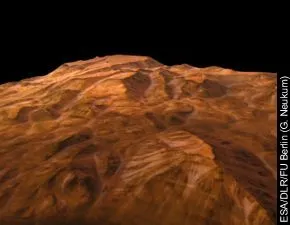
Despite its phases, we always see the same face of the Moon. But with Google Moon it's possible to see a little more of our satellite.

Google has launched a new version of its lunar maps, with higher resolution, text search and photos and stories from each of the Apollo missions. It also includes the view of the surface taken by the Apollo astronauts. They also added graphics that can be used for planning current missions or for teaching in schools.
I hope that in the future they add more information, for example craters, seas and other space missions.
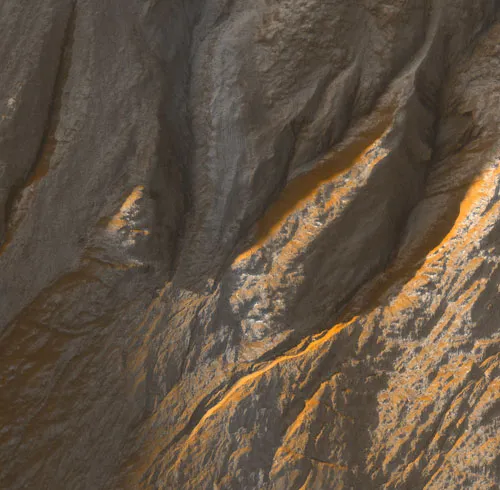
Keep in mind what Phil Plait says about us being used to seeing objects as illuminated from above, but they are not and we confuse depressions with protrusions and vice versa. For example, in this graphic of Clavius, it looks like a mountain and not a crater. For that we can go to the Elevation option and we will see the referenced sites with color (red for the highest and blue for the lowest).
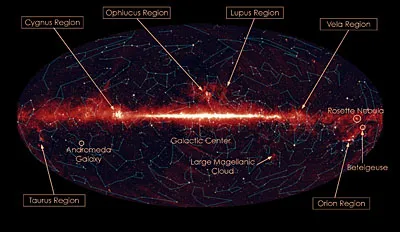
The new Google Moon is added to the growing space family with Google Mars and Google Sky.