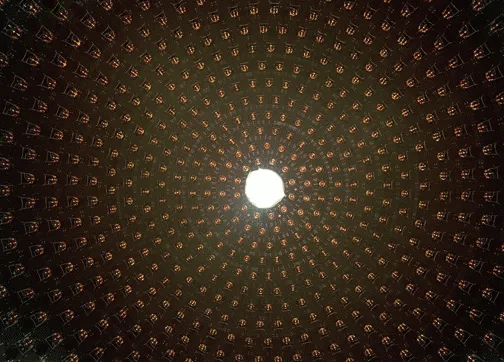
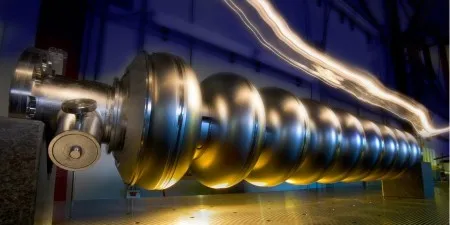
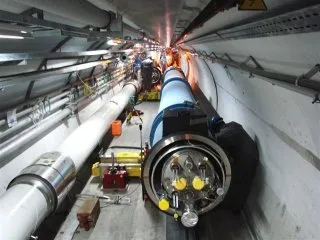
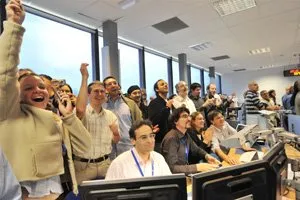
ATLAS scientists celebrated today as the first particle beams circulated through the Large Hadron Collider, in both directions (not at the same time!).
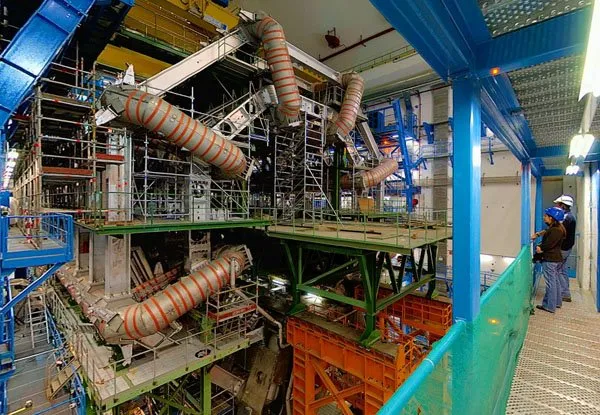
Collisions are not planned for several more weeks; the tests allow physicists to study how the many components are functioning in preparation for the upcoming collisions. In the ATLAS control room, they cheered each time the data was as expected.
The first ATLAS event was recorded in the three images shown below, and a Flash presentation was also prepared, which can be seen at:
http://www.atlas.ch/news/2008/first-beam-and-event.html
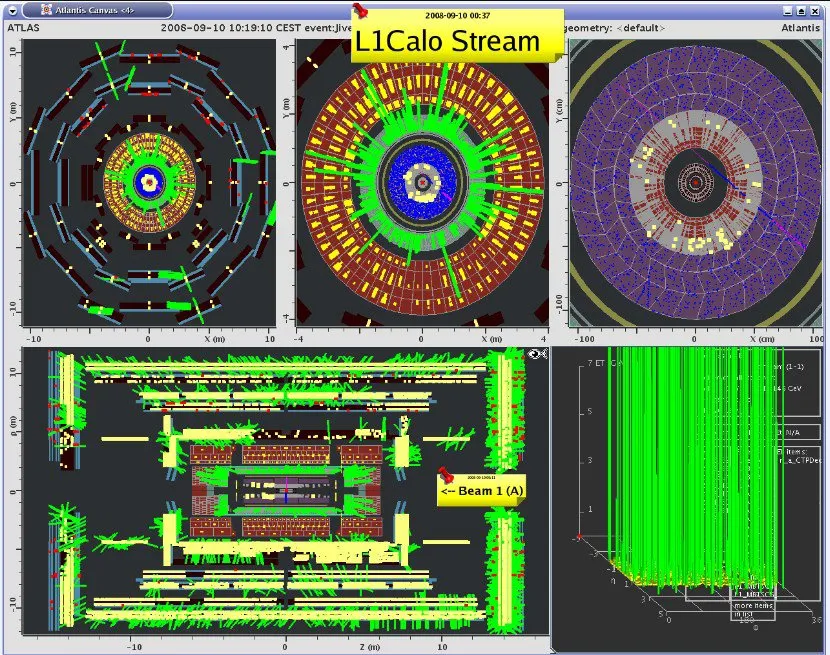
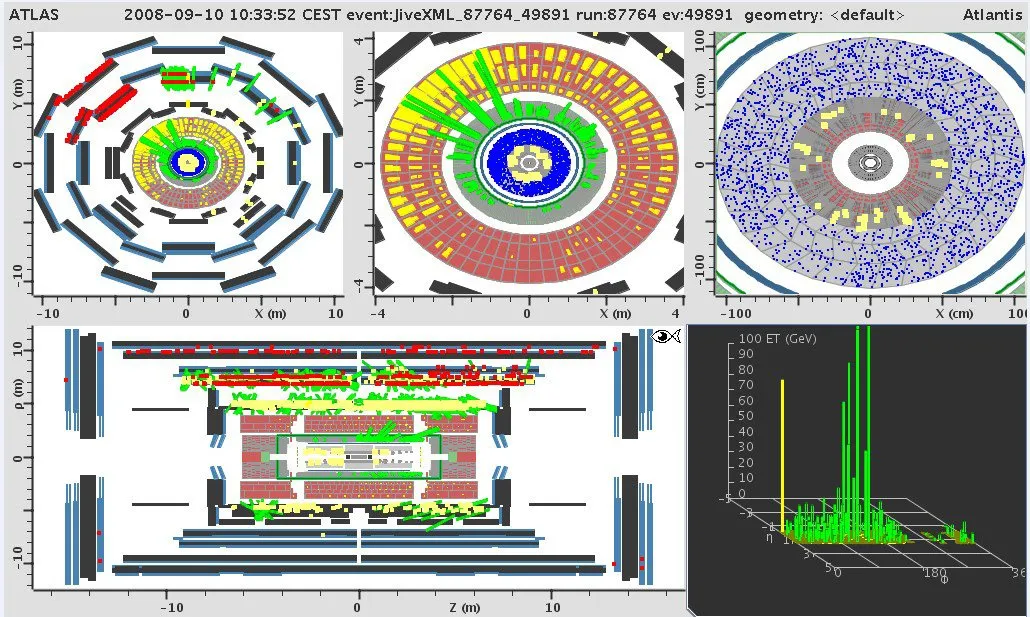
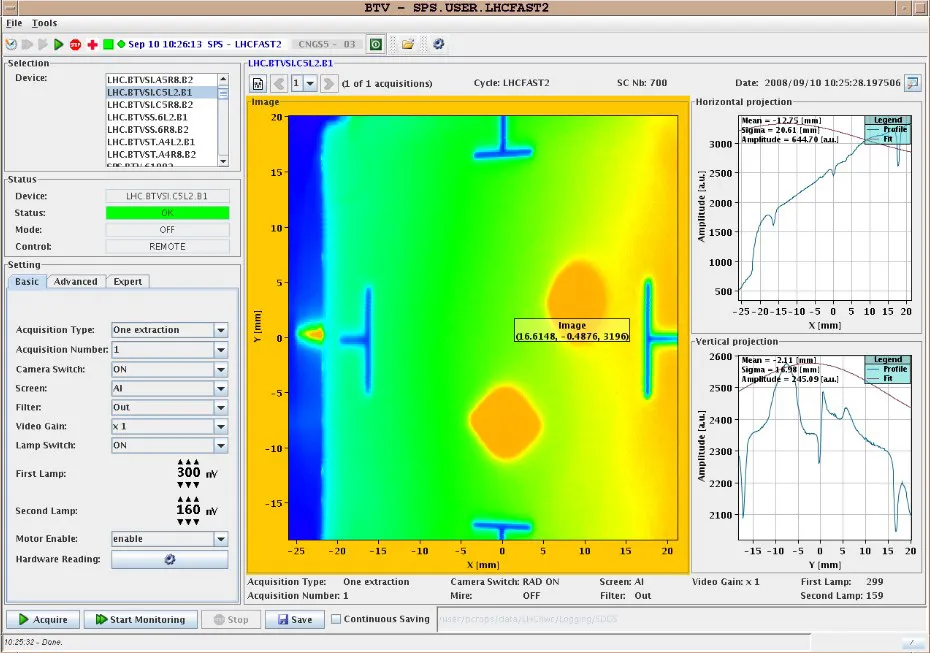
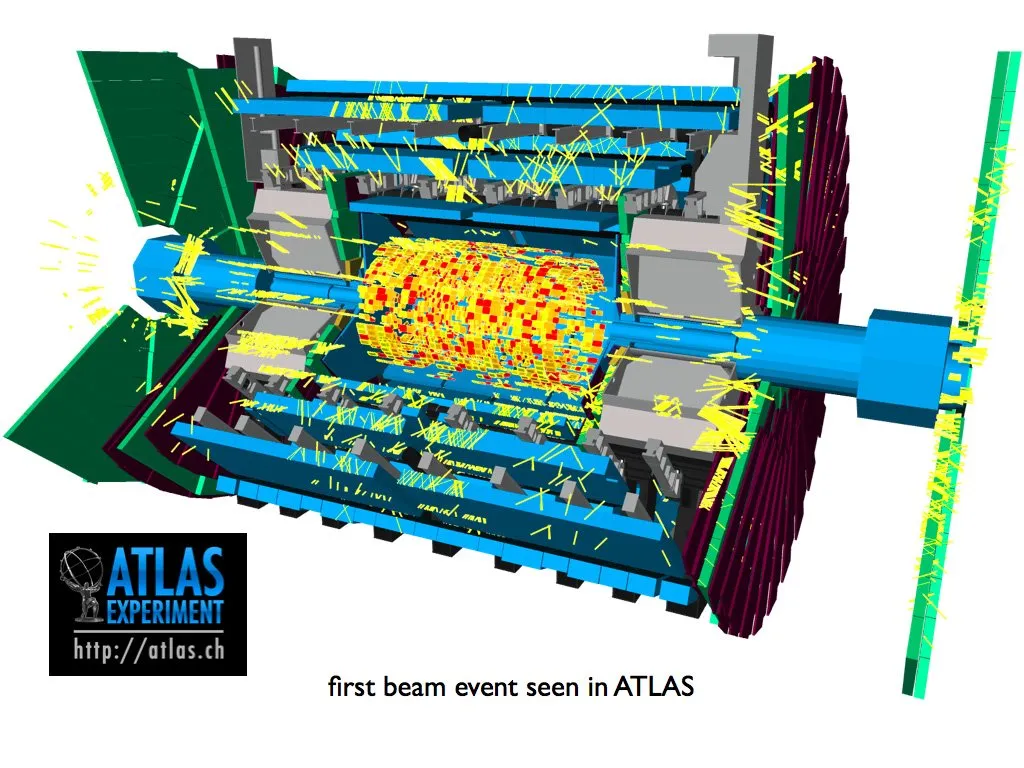
Now, after 20 years of preparation, ATLAS is ready and anticipates incredible discoveries about the universe in the coming months and years.
I take advantage of this post to clarify some points:
Given the massive media coverage, I don't think a long explanation about the LHC and its experiments is necessary. For more information, it's enough to use the blog's search engine, as I have written several notes on the subject.
I heard in certain mass media that the LHC tunnel is 27 km. True, but they should clarify that it's its circumference measurement, not its diameter.
Subatomic particles are classified into different families. Hadrons participate in the four possible fundamental interactions between particles and are the only ones that exhibit the so-called strong interactions. There are two types: baryons and mesons. The best-known baryons are the nucleons (protons and neutrons).
Since the LHC collides protons with each other, it is called a Hadron Collider. Protons are a type of particle classified as a Baryon, included in the Hadron family. Not the other way around, that is, hadrons are not a type of proton, as one hears out there...
Sources and related links
About the images
Credit: ATLAS