The crescent Moon will stroll between the planets of love and war, while our world bathes it with "earthshine". This is how it will look from Buenos Aires.
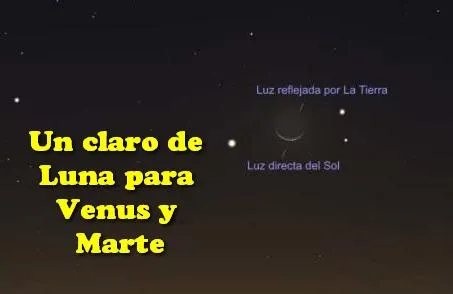
The Asociación Argentina Amigos de la Astronomía is quick to announce this phenomenon, worthy of observation.
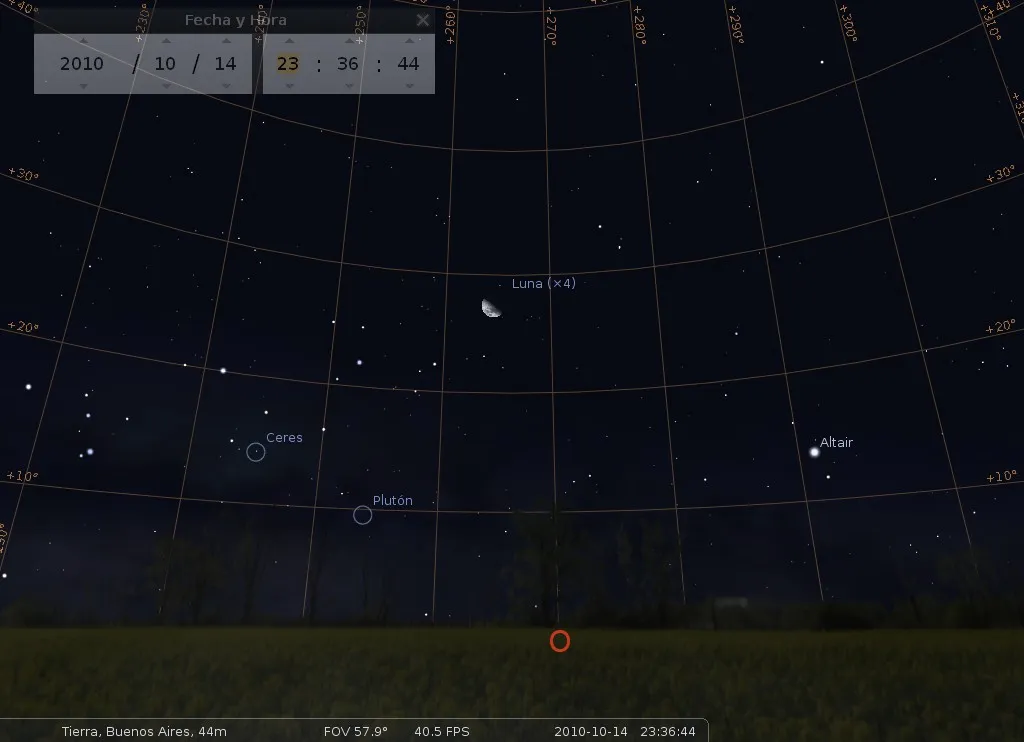
Officially, the Moon began its New phase on October 7 and will be "waxing" until it reaches the first quarter a week later, on the 14th. This New Moon phase occurs when its visible face is not illuminated by the Sun as seen from Earth. The illuminated part is the one we cannot see from here, given that the Moon's rotation and revolution periods are similar.
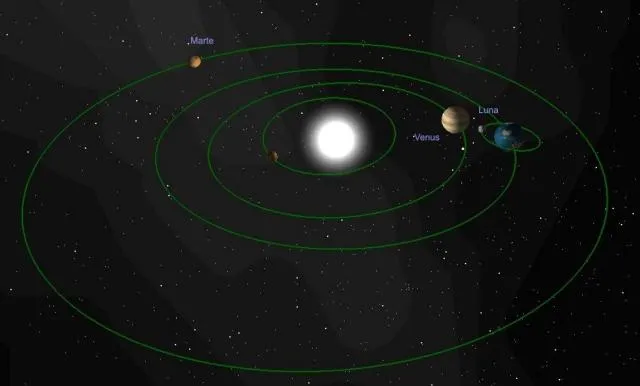
Tomorrow, two days will have passed since the start of this phase and a thin line illuminated by the Sun will be noticeable, but it will also be possible to see the outline of Selene, thanks to the light that Earth reflects onto the moon. This phenomenon, produced by the albedo, is known as earthshine or clear moonlight.
From the AAAA they point out:
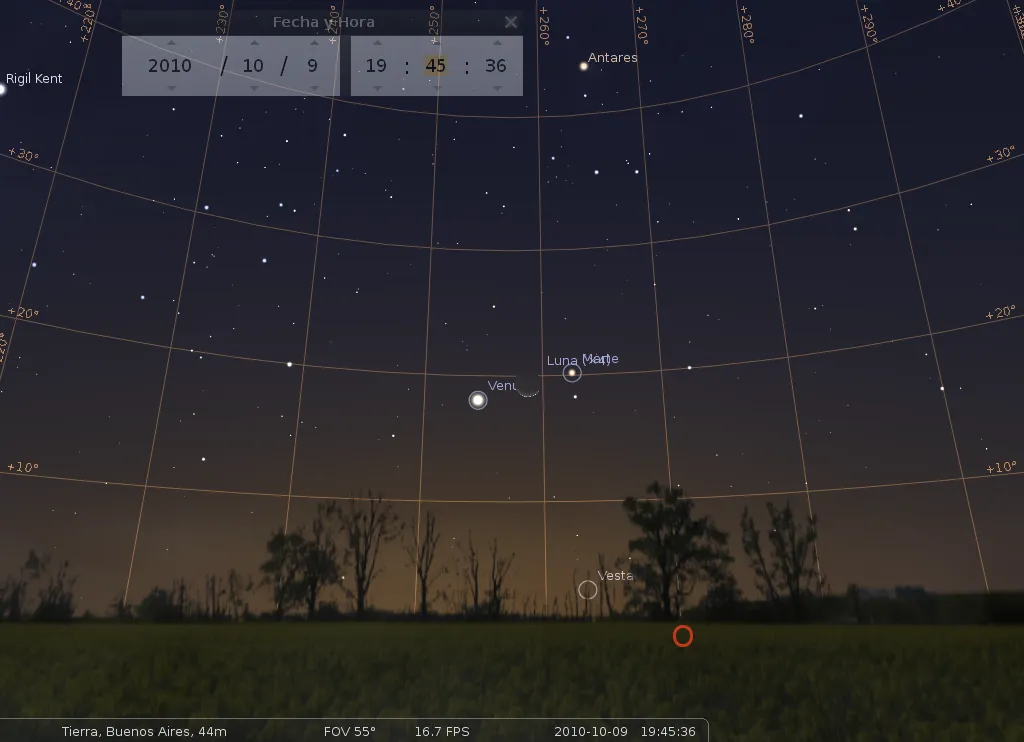
The Sun will set at 19:03 h in Buenos Aires, from then on, as the sky gradually darkens, we will have this new natural spectacle before our eyes.
Make sure you have a clear horizon, without obstacles like trees or buildings. At 19:30, once civil twilight has ended, these objects will be about 20º above the western horizon.
It occurs to me to add that if we have any device to listen to music, it would be appropriate to accompany the moment with Beethoven's Piano Sonata No. 14.
It was Leonardo da Vinci who realized that this phenomenon occurred due to the reflection of the "full Earth", which is how our planet would look from the Moon (and four times larger!).
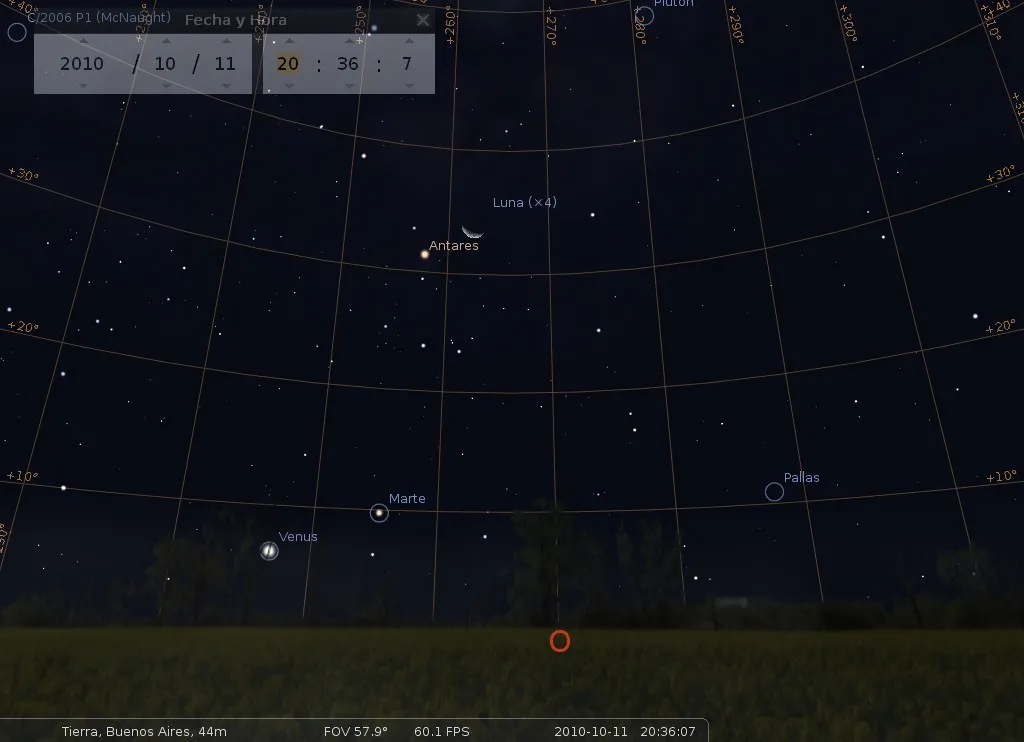
Although it is a recurring phenomenon, the accompaniment of Venus and Mars enhances it. As indicated by the AAAA, it seems as if the planets form an arch through which the Moon will cross. An arch without a net, because the Moon will "keep going", moving away day by day from our neighbors and "shifting" 13º each day until it is about 90º from the Sun at First Quarter.
It is also said that this "ashen" phenomenon also occurs with Venus when the non-illuminated portion of the planet glows faintly, when its phase is a crescent of a few days. It would be caused by the refraction of sunlight in Venus's atmosphere. This light would only be observed when our neighbor is very close to inferior conjunction.
Sources and related links
- Pirulo Cósmico: Earthshine
- Página/12: Four planets and the Moon
- Asociación Argentina Amigos de la Astronomía
About the images
- Images from AAAA and my own with Stellarium.