The US Federal Communications Commission (FCC) approved on November 25, 2026 SpaceX's request to deploy up to one million satellites that will function as orbital data centers for artificial intelligence. The constellation, named Starmind, represents the first authorization of its kind and marks a significant step in plans to move computing infrastructure to space. FCC Chairman Brendan Carr called the decision a historic first. The approval comes with specific conditions and deadlines, requiring SpaceX to deploy its first operational satellite by November 25, 2033.
The license, identified as FCC order DA 26-1273, does not constitute an endorsement of the project's commercial viability. SpaceX's own documentation warns that the initiative involves significant technical complexity, unproven or non-existent technologies, and such initiatives may not achieve commercial viability. The FCC noted in its order that it refrained from judging whether the business works, indicating that some public comments sought to substitute the government's judgment regarding the viability of commercial endeavors. The authorization is a permission to try, not a verification that it works.
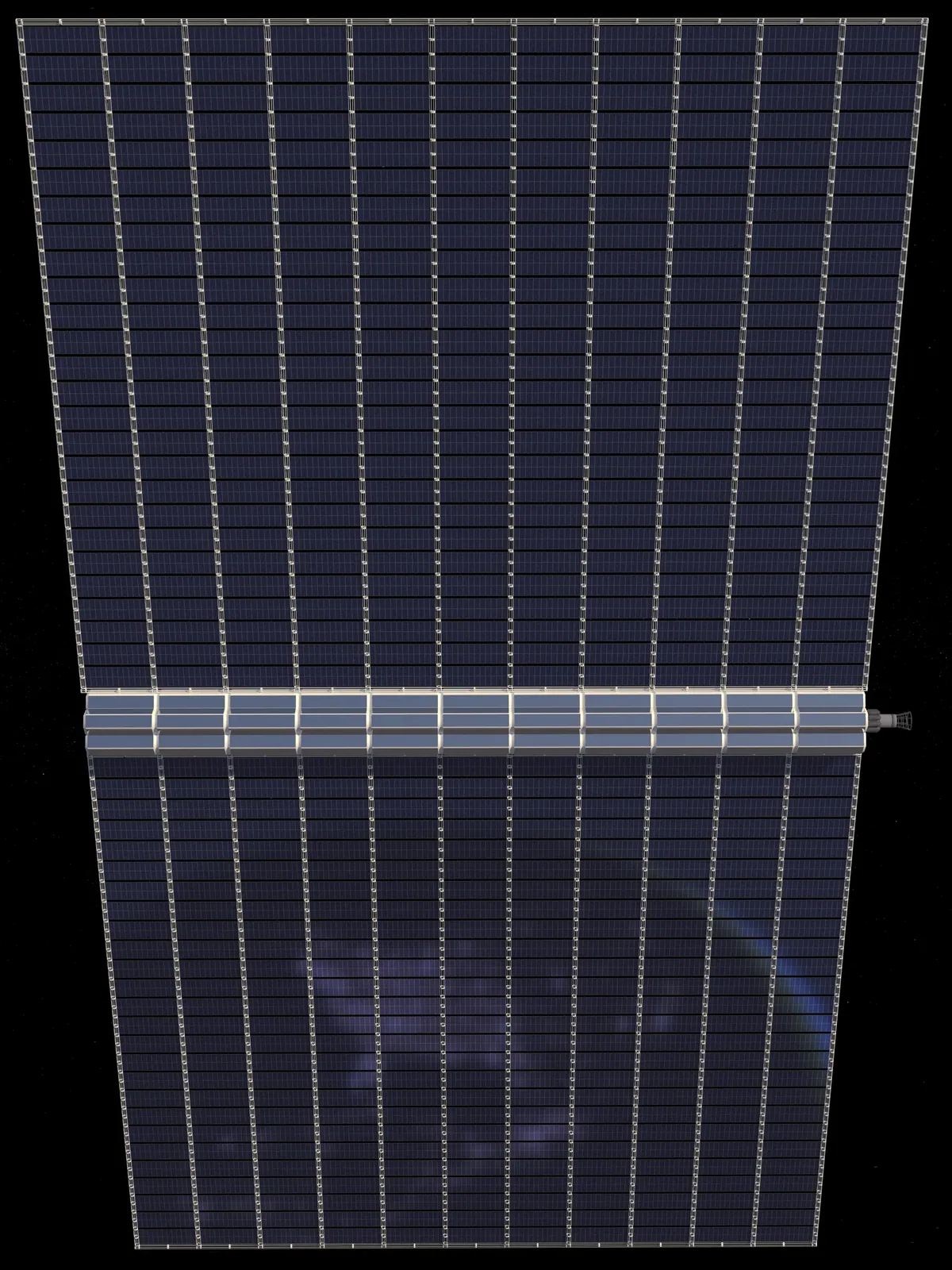
The Starmind project seeks to use Earth orbit as a large-scale computing platform, leveraging solar energy to power the AI processors. Each satellite would function as a server rack, carrying AI chips, running on solar power and dissipating heat through radiators. Thousands of them, linked by laser, would act collectively as a data center. SpaceX defined the concept in its IPO prospectus as satellite constellations that act as orbital data centers, harnessing solar energy for power and leveraging the space environment for cooling.
The approval establishes a phased implementation schedule. It must reach 100,000 satellites by November 2035, deploy 50% of the authorized number by November 2038 and complete the system by November 2040. Four of the six authorized altitude bands, which sit above 600 kilometers, cannot be used until the FCC accepts a separate space debris plan. The agency also deferred a SpaceX request to retire some satellites into higher disposal orbits or orbits around the Sun, due to a lack of information.
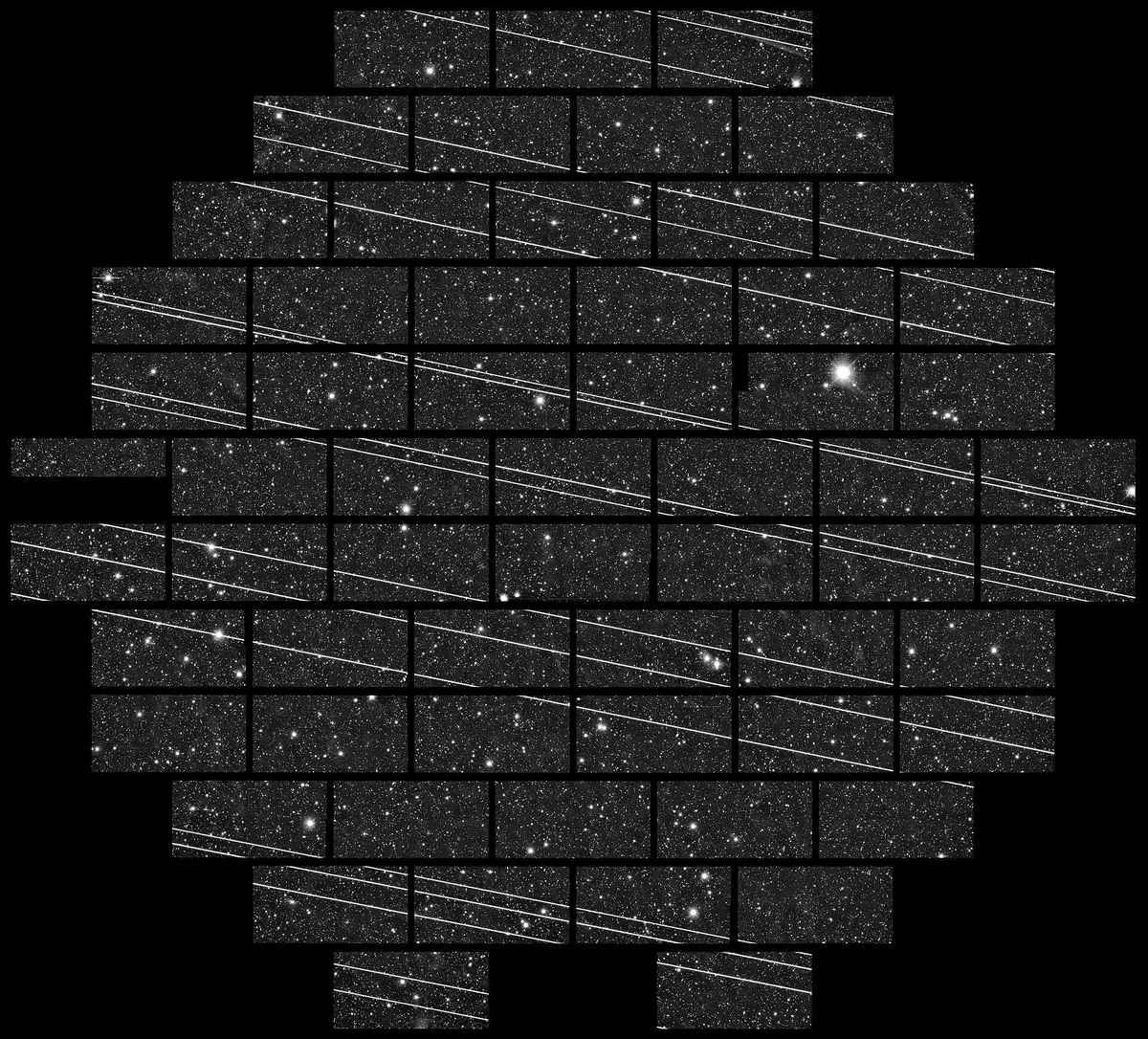
The decision was not unanimously well received. Amazon, which operates the rival Amazon Leo satellite network, had called the application more of a lofty ambition than a real plan. According to CNBC, the environmental law group Earthjustice criticized the FCC for making the decision during a holiday week without an environmental review. The American Astronomical Society had also expressed concerns about orbital congestion and the impact of satellites on astronomical research.
The operation of data centers in space faces significant engineering challenges, particularly in energy and heat management. A study by Dr. Slava Turyshev of NASA's Jet Propulsion Laboratory analyzed the trade-offs between using solar panels or nuclear reactors to power these centers. For a 1 megawatt data center cluster using only solar power, the satellite would spend approximately 5 hours and 13 minutes in Earth's shadow each day, in an orbit that completes 15 daily passes. To cover these sunless periods would require batteries, adding significant mass. According to Turyshev's calculations, a 1 MW cluster would need to carry 6.46 metric tons of batteries just to cover a 21-minute blackout, reaching a total mass of 43 metric tons even before counting the actual computing hardware, when adding the solar panels and radiators to get rid of waste heat.
One alternative is the use of nuclear fission reactors, which would eliminate the need for solar panels and batteries. Turyshev calculates that, compared to today's standard solar panels, a compact fission reactor is around ten metric tons lighter per megawatt. However, it introduces other problems, such as managing waste heat at different temperatures and radiation. Data centers in space already suffer from cosmic rays flipping bits unexpectedly. Placing one next to an active nuclear reactor would subject them to random gamma rays and neutrons as well.
A satellite with a nuclear reactor cannot simply disintegrate in the atmosphere at the end of its useful life. It must be boosted to a graveyard orbit at about 2,000 km, where a spent reactor would remain indefinitely. Economic viability depends heavily on the reactor's lifespan. Turyshev calculates that if a reactor lasts ten years, it would save about 190 dollars per kilowatt-year in launch costs, while if it lasts only two years, it would become a deficit of 783 dollars per kilowatt-year. The study also notes that, for missions with specific power backup requirements, a hybrid configuration combining 80% nuclear and 20% solar power could offer weight advantages.
SpaceX is not alone in this race. Other companies like Google and Starcloud are also developing orbital infrastructure solutions. The prototype of Google's Project Suncatcher, built with satellite company Planet, launched on October 1, 2026 on a SpaceX rideshare flight. It carries four Google TPU chips and has a power budget of up to 1 kW, allowing it to run one TPU at a time for about 20 minutes. Its first task in orbit was to run Google's Gemma 4 model to write a haiku about being in space. Google plans to launch two satellites in 2027 to test laser links between them, and on November 19, 2026 reserved the Blue Origin New Glenn rocket for its first dedicated mission.
SpaceX announced in August 2026 a partnership with Nvidia to design the computing payload for the Starmind AI1 satellite. Each Starmind satellite will include Nvidia Rubin GPUs and Vera CPUs to achieve data center level computing in space. Elon Musk promoted the advantage of constant solar power in space, stating in March 2026 that on Earth you are limited by power, while in space there is always sun, and predicted that AI in space would become cheaper than on Earth in just two or three years. The path to commercial orbital data centers remains long, as regulatory approval removes one obstacle but does not guarantee the operational or economic viability of operating a million computing centers in orbit. The project's success will depend on SpaceX's ability to reduce the costs of manufacturing, launching, maintaining and replacing satellites, as well as overcoming the technical challenges of cooling and space debris management.