Within the broader framework of February as the Month of Women and Girls in Science, the International Day of Women and Girls in Science is celebrated today, with events in several countries, and astronomy is no exception.
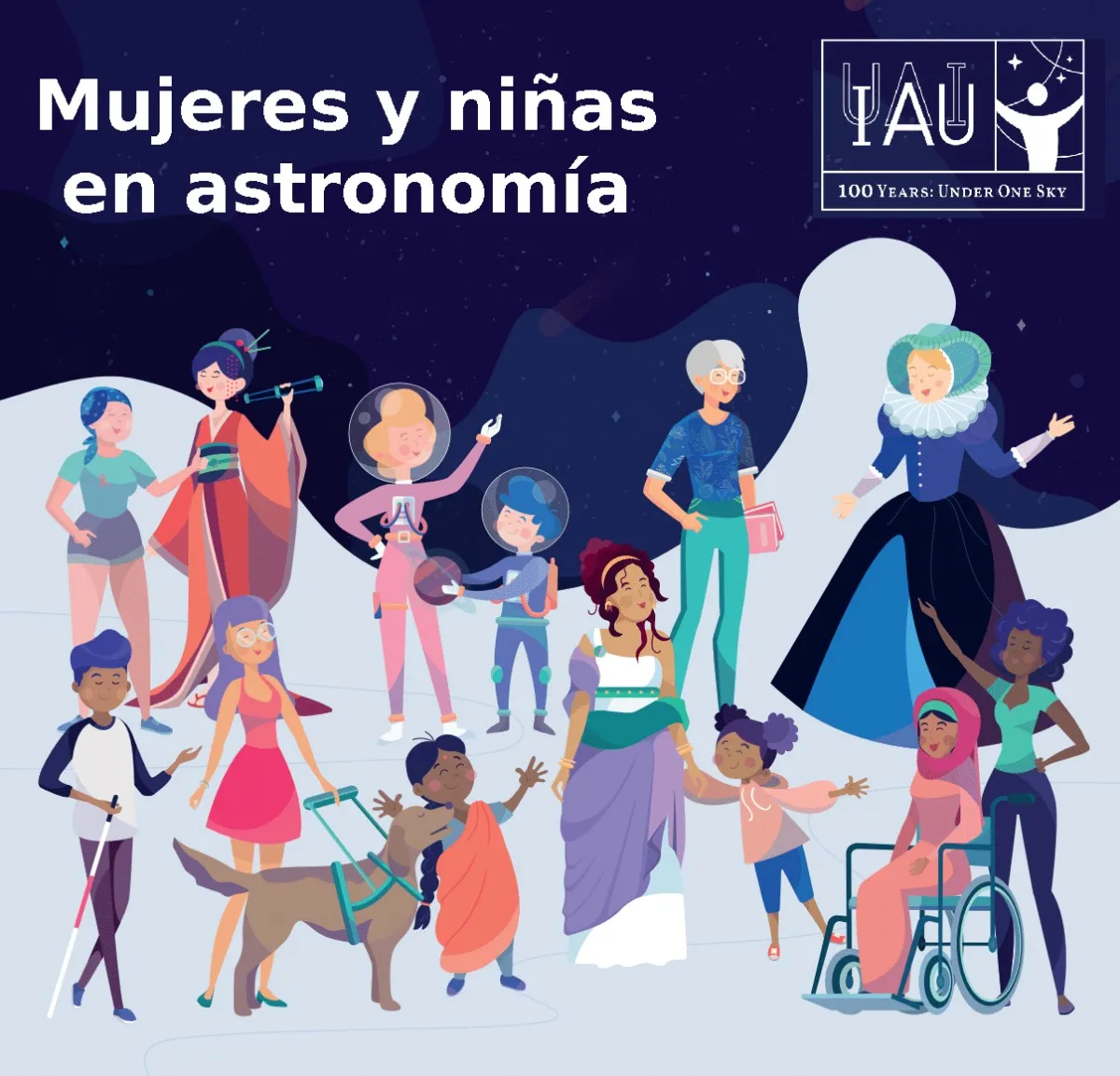
In 2015, the UNESCO General Assembly established February 11 as an international date to recognize the key role of women in science and technology, through resolution A/RES/70/212.
The intention is to strengthen and improve conditions of gender equality and support for women and girls.
Joint message from Ms. Audrey Azoulay, Director-General of UNESCO, and Ms. Phumzile Mlambo-Ngcuka, Executive Director of UN-Women, on the occasion of the International Day of Women and Girls in Science
The voice of women and girls and their expertise in science, technology and innovation (STI) are fundamental to finding solutions to the disruptive change we are experiencing in a rapidly evolving world. We urgently need to end the gender gap in science, technology, engineering and mathematics (STEM) and actively promote gender equality in science, technology and innovation careers. These skills are essential for the fastest growing job categories. Several recent studies show that changes in the global labor market will result in a net creation of 58 million jobs, especially for scientists and data analysts, artificial intelligence and machine learning specialists, software and application developers and analysts, and data visualization specialists.
Unfortunately, it is evident that women face various problems in important professional categories such as engineering, with low levels of retention, promotion, and reintegration after maternity leave. Thus, for example, the 2018 edition of the World Economic Forum's Global Gender Gap Report shows that only 22% of artificial intelligence professionals worldwide are women: a huge gender gap that reflects significant problems such as occupational segregation and unfavorable working conditions. In addition to facing these obstacles, improving digital connectivity and the accessibility of affordable technologies can also contribute to greater equality in STEM, fully benefiting women and girls as scientists, students, and citizens. UN-Women and UNESCO are working with partners around the world to end the gender gap in STEM and digital technologies. One of the initiatives in which UN-Women collaborates is the Women's Empowerment Principles. These principles offer companies—particularly in the digital, information and communication technology (ICT), science, technology and innovation (STI), and "STEAM" (science, technology, engineering and mathematics plus art and design) sectors—concrete guidance on how to empower women in the workplace, marketplace, and community. UN-Women urges all companies that wish to commit to gender equality and women's economic empowerment to sign and apply these principles. It is essential to combat inequalities as early as possible in the education system; therefore, UNESCO works to stimulate girls' interest in STEM subjects, fight stereotypes in curricula, and achieve greater access to female mentors. Furthermore, UNESCO encourages women scientists through initiatives such as the L'ORÉAL-UNESCO "For Women in Science" program and the Organization for Women in Science for the Developing World, which offer scholarships and networking and mentoring opportunities for women researchers worldwide. Also, the "STEM and Gender Advancement" project supports the inclusion of gender equality in national STI policies, strategies, plans, and laws, through the collection of sex-disaggregated data.
Through all these initiatives, we are determined to promote a new generation of women and girl scientists, to address the great challenges of our time. In line with Greta Thunberg's call, there are young women scientists who are already taking the lead in the fight against climate change, such as South African teenager Kiara Nirghin, whose inventions help minimize the impact of droughts. If we harness the scientific creativity and innovation of all women and girls and invest adequately in the inclusive nature of STEM education, research and development, and STI ecosystems, we have an unprecedented opportunity to use the potential of the fourth industrial revolution for the benefit of society.
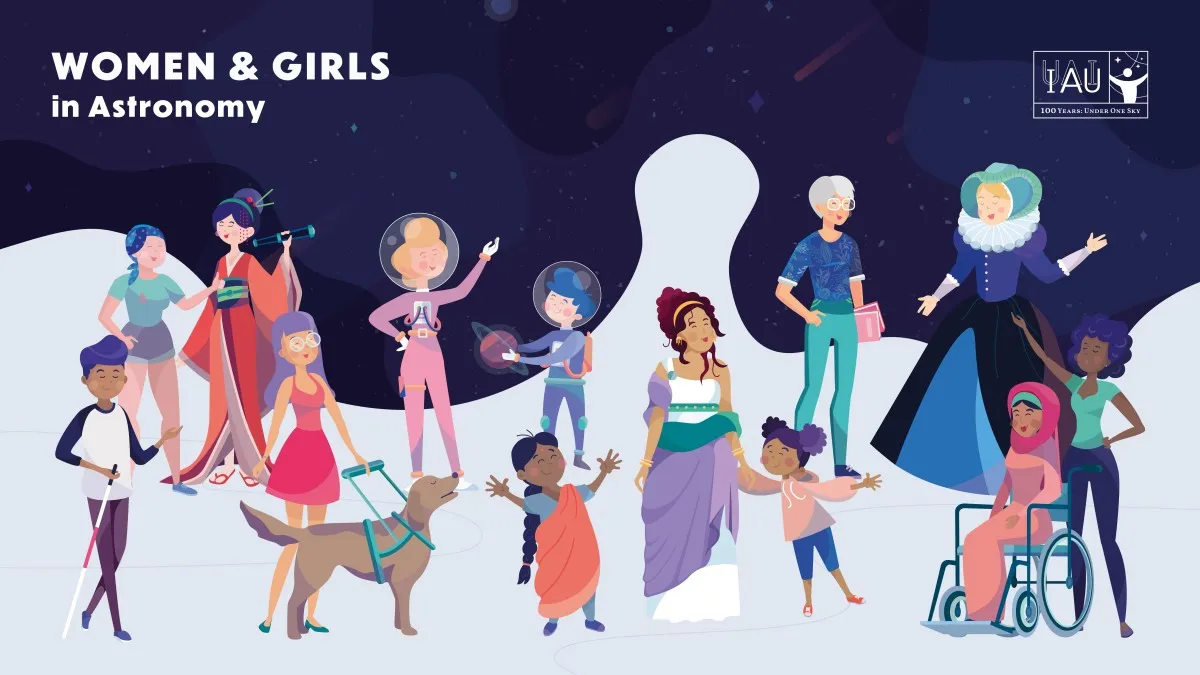
Astronomy for women and girls
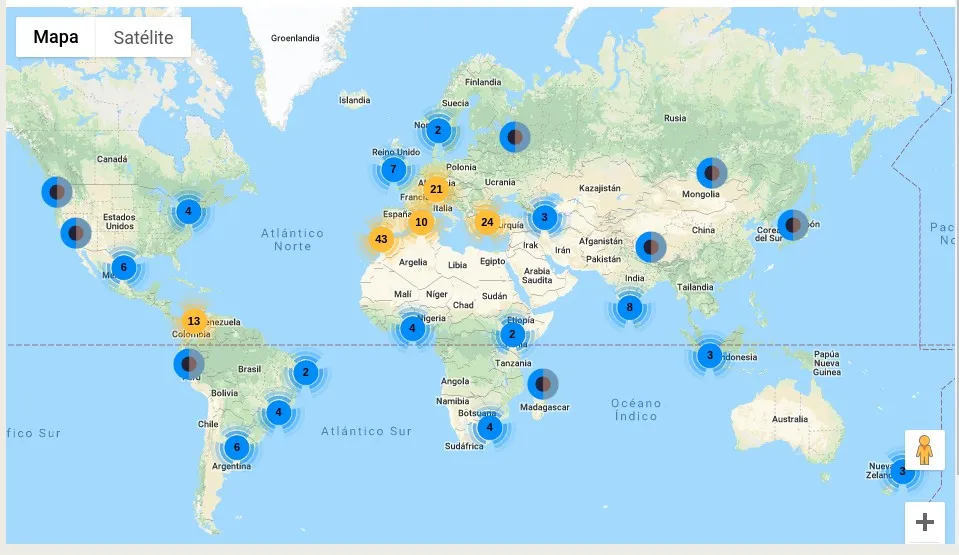
In Argentina, several activities will take place, which can be seen on the IAU's specialized inclusion site, which lists several events in Mendoza, Buenos Aires, and Mar del Plata.
International Day of Women and Girls in Science https://unesdoc.unesco.org/ark:/48223/pf0000366723_spa
In Focus: International Day of Women and Girls in Science http://www.unwomen.org/en/news/in-focus/international-day-of-women-and-girls-in-science
Inclusive astronomy https://www.inclusive-astronomy.org/
Celebrate IAU100 Women and Girls in Astronomy Day in Your Country https://www.iau-100.org/women-and-girls-in-astronomy-day