Personification and animalization of astronomical objects.
Prosopopoeia or personification is a rhetorical figure by which human qualities are attributed to inanimate objects. Animation or animalization consists of narrating inanimate objects with animal characteristics.
In astronomy there are several examples, namely:
1-Cannibalism: White dwarfs in binary systems, Type Ia supernovae.
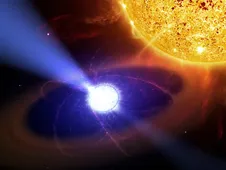
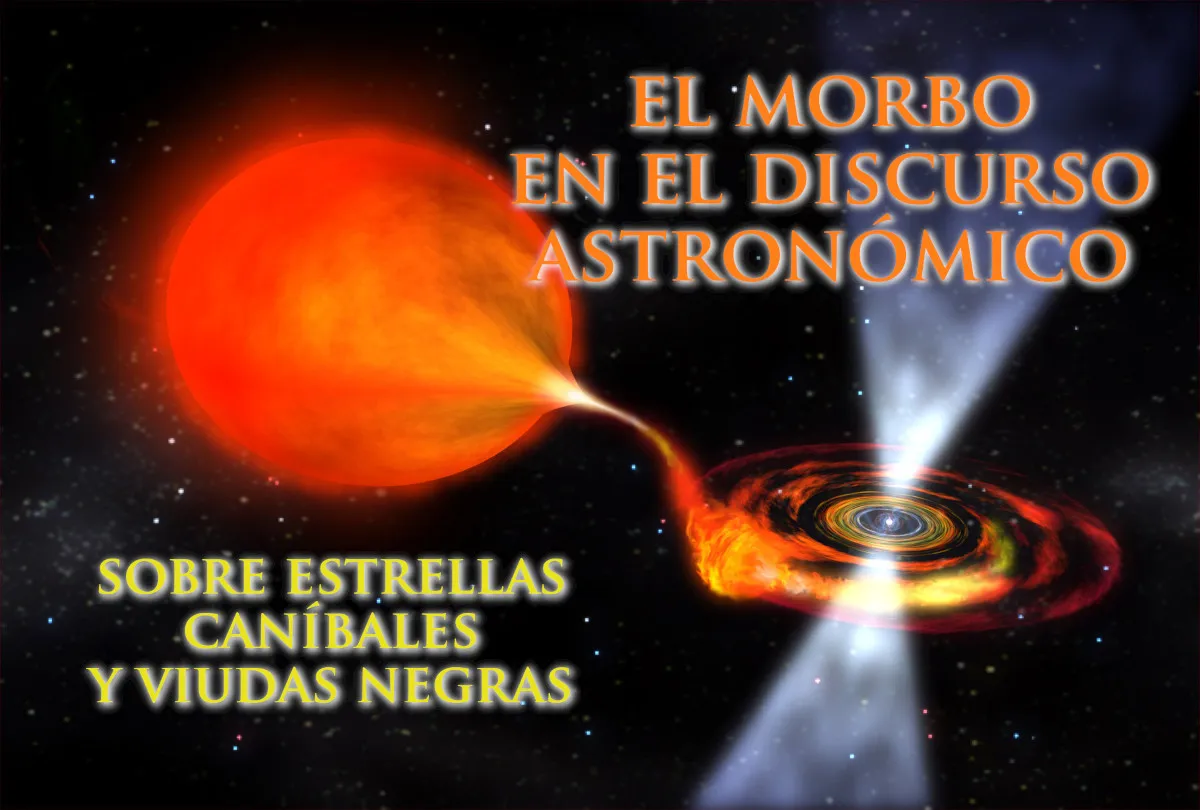
2-Cannibalism: pulsars: "Black widows".
3-Galactic cannibalism: galaxy mergers.
4-Zombie stars: white dwarfs that continue fusing.
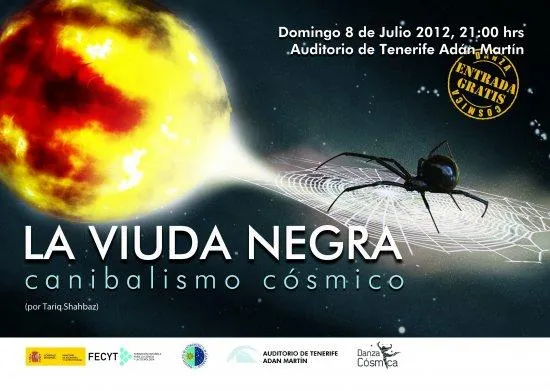
It must be added that people often speak of "the life of stars" as if they were living beings. Moreover, I found on the IAC (of Spain) website an announcement for a dance event inspired by astronomy with this text:
"Stars, like people, have life cycles: they are born, go through several evolutionary phases, attract others, some live in pairs and go through good and bad times. There are stars that die silently, completely unnoticed, and others that do so in dramatic explosions. Clearly there is a strong analogy between our lives and those of stars, a perfect opportunity to explain complex stellar physics, using expressive means and a language (dance) common to all age groups".
Nothing could be further from the truth. Stars do NOT have life. They do not have biological life, they do not possess cells. They are not born nor do they die. They do not eat. They are not cannibals. They do not kill.
It is said that "we are stardust". It is true that the elements that form normal (baryonic) matter are forged in stars. But that is valid for both people or furniture.
IS IT NECESSARY?
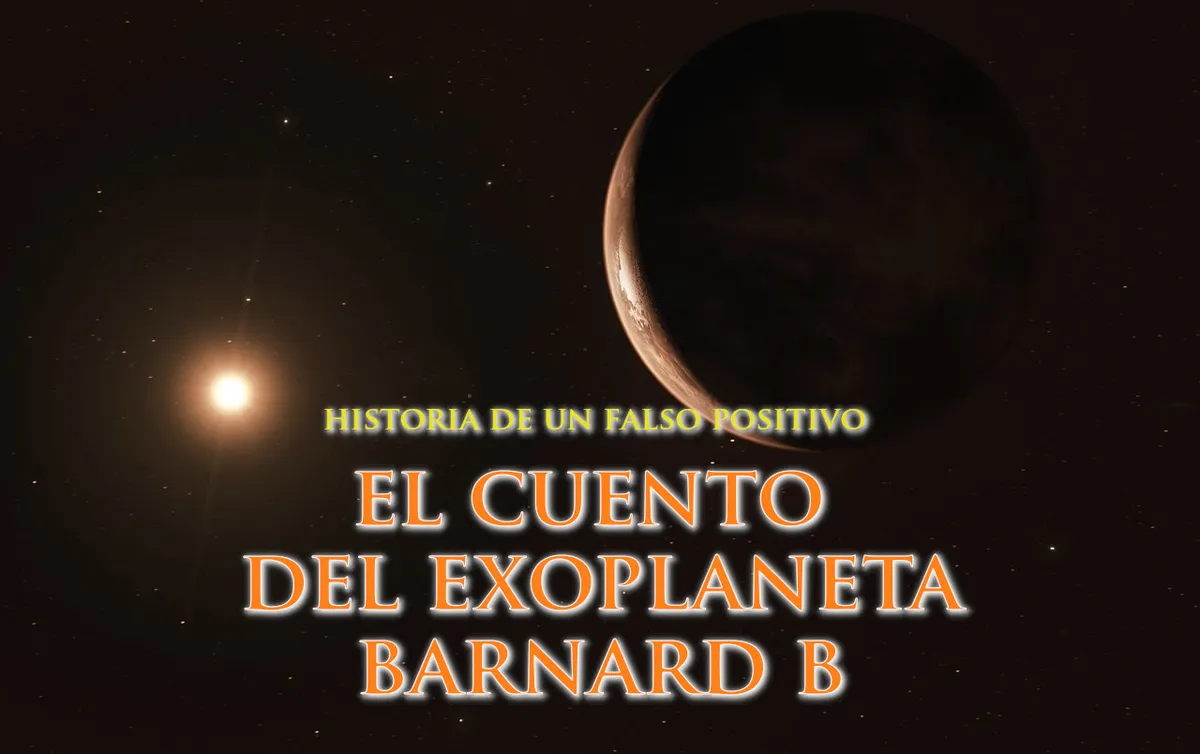
I wonder two things about the use of these rhetorical resources: Are they needed? Do they cause harm?
I think journalism finds them very handy to sell more newspapers, magazines, or clicks on the web. In psychology, it is said there are phobias and philias. Phobias are reactions of rejection towards something. Philias, the opposite: attraction towards something. Necrophilia is attraction towards death. When the attraction is towards violent situations, such as traffic accidents, fights, injured people, etc., it is called "morbid fascination".
Surely in the case of journalism, that attraction on the part of a percentage of the population is the cause of such uses.
But the term "black widow" to refer to certain pulsars is used by professional astronomers. Similarly, the term "cannibalism" is found in several popular science writings.
To say that "there is a strong analogy between our lives and those of stars" and to speak of "cannibalism" in the same text does not seem like a good idea, I cannot imagine a good justification; it is unnecessary.
Looking for ways to attract the public's attention, to entertain, is one thing. The question is how. On another occasion we already talked about this topic and there I said that pulsars are ultra-compact objects and that explaining how compact they are is astonishing. There is no need to resort to "black widows" to capture the public's attention. Especially when that implies that stars behave like animals, that they have sex and kill their companion.
CONCLUSION
Professionals will continue using the term "black widow" and we will continue reading about "cannibal stars or galaxies". I think it is necessary to avoid these terms, including the discourse of "stellar life". Stars have a period of formation, equilibrium, and collapse, to finally be exotic, post-stellar objects.
However, I find it difficult to argue that these discursive practices cause any harm. Perhaps they normalize violence, but I don't really know.
These uses are unnecessary, especially when used without thinking. It is possible that in some circumstances, analogies like these might be justified, but in general, they are not. Without a doubt, I think these resources are in bad taste.
If we extended the use of these literary figures, what should satellite constellations be called?: Mosquitoes, perhaps. Parasites?. Or Pigeons...?☉
Sources and related links
- A cannibal star swallows its companion
https://www.esa.int/kids/es/Aprende/Nuestro_Universo/Estrellas_y_galaxias/Una_estrella_canibal_se_traga_a_su_companera - Astronomers from Chile discover 'cannibal' star that ate part of a planet
https://www.milenio.com/ciencia-y-salud/astronomos-descubren-estrella-canibal-que-se-comio-parte-de-un-planeta - The stellar black widow with the shortest orbital period in the cosmos discovered
https://www.agenciasinc.es/Noticias/Descubierta-la-viuda-negra-estelar-con-el-periodo-orbital-mas-corto-del-cosmos - "THE BLACK WIDOW, COSMIC CANNIBALISM"
https://www.iac.es/es/divulgacion/noticias/espectaculo-de-danza-contemporanea-la-viuda-negra-canibalismo-cosmicodomingo-8-de-julio-las-2100h-en-el - Galactic cannibalism: this is how galaxies grow in size
https://www.muyinteresante.com/ciencia/20430.html - Stars and spiders: on journalism and astronomy
https://www.noticiasdelcosmos.com/2021/01/estrellas-y-aranas-sobre-periodismo-y.html
About the images
NGC 4038
By KPNO/NOIRLab/NSF/AURA/Bob and Bill Twardy/Adam Block - NGC 4038, CC BY 4.0, https://commons.wikimedia.org/w/index.php?curid=139416281
NASA/Dana Berry