NASA Administrator Jared Isaacman detailed the agency's decision to standardize the Space Launch System (SLS) rocket, move toward a stretched version of the Centaur V upper stage, and stop work on the second mobile launcher (ML-2). According to Isaacman, these choices are linked to achieving higher flight rates and lower costs for the Artemis program. In an interview, he explained that industry responses to the search for future commercial lunar transportation pointed to the 2030s, not an immediate replacement for the current system. His explanation builds on the previously announced decision to abandon SLS Block 1B and its Exploration Upper Stage (EUS).
Isaacman said there are many ways to shake the $4 billion disposable rocket label that SLS has carried, and one of them is to launch more frequently. He added that there is nothing about pushing it off into next year that makes anything cost less. The Artemis IV mission was originally intended to introduce Block 1B and EUS. Instead, NASA is leaning toward a near-Block 1 configuration using Centaur V, thus avoiding continued development of an upper stage dedicated exclusively to SLS.
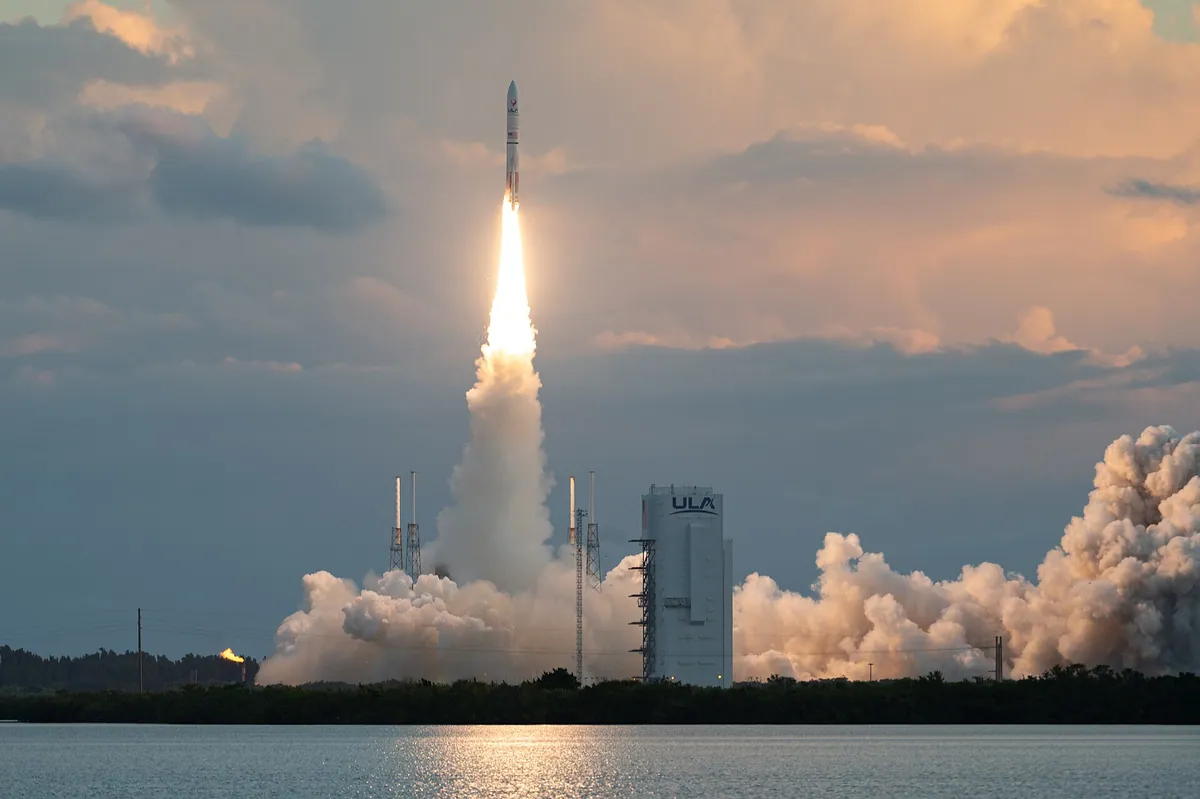
The Centaur V is already in production for United Launch Alliance's Vulcan rocket, which made its first flight in January 2024. However, the stretched version planned for NASA remains in development. Isaacman said the agency originally intended to use the existing Centaur configuration, but opted for the higher-performance version to bring the Orion capsule closer to the Moon and simplify the landers' task. He also expects the stretched stage to fly on Vulcan for Department of Defense missions, not just on SLS.
The first mission to use the new stage remains undecided. Following NASA's October update, it was confirmed that the revised Artemis III low-Earth-orbit mission will not need an upper stage, leaving the final Interim Cryogenic Propulsion Stage (ICPS) available for Artemis IV. The November 4 update confirms that both ICPS and a stretched Centaur V remain options for Artemis IV. Isaacman said modifications to Mobile Launcher 1 (ML-1) are being designed and hardware has been ordered.
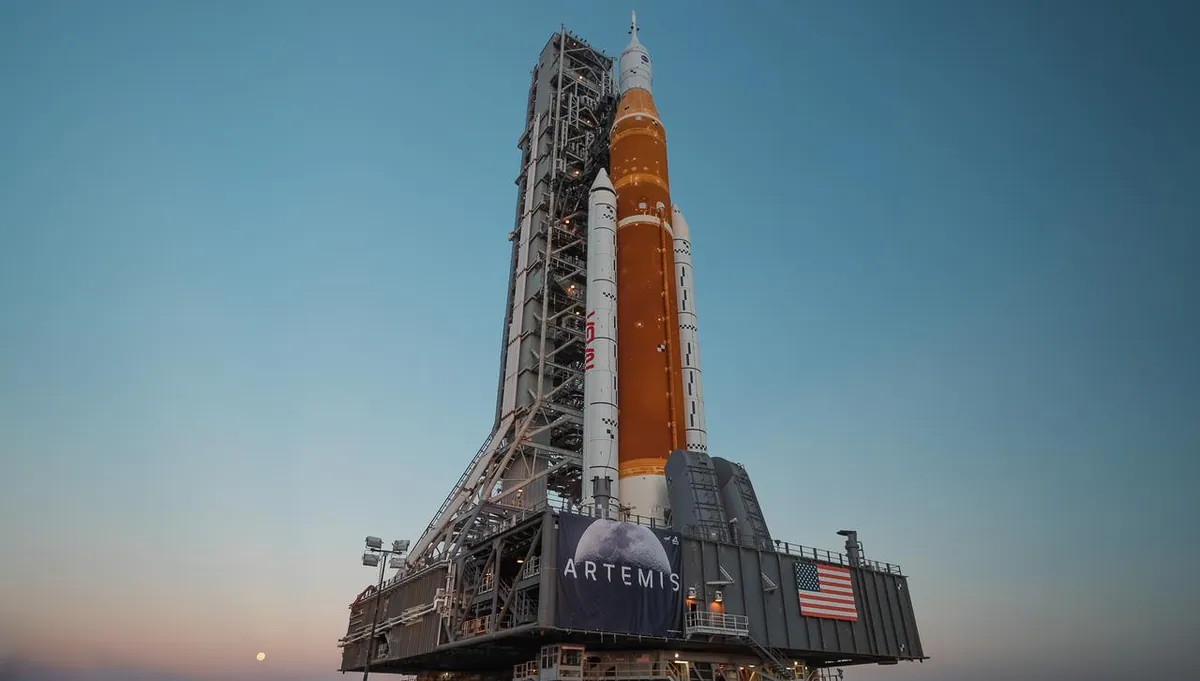
The administrator acknowledged the disappointment over stopping ML-2, but stated that its visible progress did not mean it was close to being ready to operate. He said that if you are going to launch even on an eight-month cadence, you do not need the second mobile launcher, and that structure was nowhere near as ready as people believe. Work on ML-2 has stopped. The partly built structure remains outside for now, but it is expected to eventually be moved into the Vehicle Assembly Building (VAB).
Isaacman noted that they have been using parts from ML-2. He added that some of its components, along with hardware from the canceled EUS, had been provided as government-furnished equipment to help Blue Origin with its pad rebuild and its landers. NASA is also using the hardware to give hands-on experience to younger engineers and technicians before they move on to other parts of the lunar architecture. Although he did not rule out using ML-2 again, he described that possibility as highly unlikely.
NASA's goal remains to fly crews at least once a year, ideally with less than 12 months between missions. Isaacman said improving production and ground operations would also preserve the possibility of two launches in 2028. He linked this work to rebuilding NASA's operational experience, including the skills needed for more complex missions involving Orion, transfer stages, and a lunar base. NASA's request for information on commercial lunar transportation, issued in March, sought industry input on future systems to support a sustained lunar presence. Isaacman said the industry responses did not offer a comprehensive solution for 2028 or 2029.
Isaacman did not describe the future transition as an abrupt replacement of the current architecture. He said the Orion spacecraft would likely remain part of it until the 2030s, though it might use other launch vehicles and transfer stages. For now, NASA continues preparations for Artemis III while developing the upper stage and ground system changes needed for later lunar missions. In an October 23 update, the agency shared details of Artemis III, which will test rendezvous, docking, and operations between the Orion spacecraft and lander test vehicles from SpaceX and Blue Origin in Earth orbit. Four astronauts will fly aboard Orion, launched on the SLS rocket, for a planned 14-day mission in Earth orbit to reduce risk ahead of the Artemis IV moon landing mission. The Artemis III sequence will involve Blue Origin launching a test article of its Blue Moon lander, SLS launching Orion and its crew to dock with it, and then SpaceX launching a test article of its Version 3 Starship lander, at which point Orion will undock from Blue Moon and dock with Starship.
For Artemis IV in 2028, astronauts will launch aboard Orion on the SLS rocket. NASA is working with SpaceX and Blue Origin on the development of landers. SpaceX plans to refuel its Starship in Earth orbit, rendezvous with Orion, and then carry the spacecraft toward the Moon. Blue Origin's approach involves transfer stages in Earth orbit to push its Blue Moon Mark 2 lander toward the Moon, where it will meet Orion in a closer lunar orbit before descending to the surface.
Both companies are targeting the ability to support a crewed lunar landing in 2028. NASA also announced plans with spacesuit provider Axiom Space to develop a second, lighter suit design called the Sortie suit to enable the first moonwalks. This suit is roughly half the weight of the primary suit and will allow NASA to move faster on the earliest surface missions. The longer-term goal is to establish two transportation pathways to support crewed lunar missions every six months, laying the groundwork for a lasting human presence on the Moon and a future crewed mission to Mars.